If your face looks rounder in photos than it feels in the mirror, you have probably searched for a quick way to slim it down. The honest answer is that there is no exercise, cream or roller that will take fat off your face on its own. Face fat comes off when you lose fat overall.
That might not be the answer you hoped for, but it is a useful one. It means you can skip the gimmicks and focus on what does work. It also helps explain why people losing a lot of weight on weight loss injections sometimes find their face changes more than they expected.
In this guide
Why your face might look fuller
A fuller face is not always about fat. It can come from any of these, and often more than one at once:
- weight gain overall, which usually shows in your cheeks, jaw and neck
- fluid, after a salty meal, a few drinks or a bad night's sleep
- your genes, since some people naturally carry more fat in their face
- age, as skin loses some firmness and facial fat sits lower, softening the jawline
- long-term steroid tablets or a hormone problem, which can change the shape of your face
Working out which of these applies to you makes a real difference to what will help.
Can you target fat on your face?
No. This is the most common myth about face fat, and the research is fairly clear.
When researchers pooled the results of studies on spot reduction, which is the idea that exercising one part of the body burns the fat on that part, they found it did not work. Training a muscle makes it stronger, but your body draws on fat stores from all over when it needs energy, not just from the area you are working.
You also cannot choose the order in which fat comes off. Some people notice their face slimming early on, others lose from their middle or legs first. That is largely down to your genes.
What about facial exercises?
Face yoga and jaw exercises are popular online, so they are worth a closer look.
The best-known study tracked a small group of middle-aged women who did facial exercises for 20 weeks. Their cheeks ended up looking fuller, not thinner, because the exercises built up the muscles underneath. Raters thought they looked a little younger.
So facial exercises might help with firmness, but they are not a way to lose face fat. If anything they can add a bit of volume. The study was also small, and only 16 women finished it.
Jawline trainers, chewing gum, face rollers and slimming creams have no good evidence behind them for fat loss either. A roller might briefly reduce morning puffiness by moving fluid around, and that is about it.
What actually works
Because face fat goes when body fat goes, the things that help are the same things that help with weight loss in general.
Eat a little less than you burn, steadily, over time. Small changes you can keep up beat a crash diet you abandon in a fortnight. Filling up on vegetables, protein and fibre, and cutting back on sugary drinks and snacks, is a sensible place to start.
Move more. Any activity that adds to the energy you use helps, and strength training helps you keep muscle while you lose fat. Walking counts.
Cut back on alcohol. Drinking adds calories and can leave your face puffy the next day. The NHS advises no more than 14 units a week, spread over three or more days.
Watch your salt. Salty food makes your body hold on to water, and a lot of that shows in your face. Adults should have no more than 6g of salt a day, and most of it is already in processed food, bread and takeaways rather than the salt shaker.
Be patient. Fat loss is gradual, and your face may be one of the last places you notice it. Taking photos in the same light every few weeks gives you a fairer picture than checking the mirror every morning.
Weight loss injections and your face
You may have seen the phrase "Ozempic face" in the news. It is not a medical diagnosis. It is a nickname for the hollower, sometimes older-looking face some people notice after losing a lot of weight on weight loss injections.
These medicines do not target your face. They help you eat less, and as you lose fat across your body, you lose some from your face too, including the fat pads that give your cheeks their shape. The same thing can happen after a big weight loss from diet, exercise or surgery. It just tends to be more noticeable when a lot of weight comes off fairly quickly.
It is also more noticeable as you get older, because skin does not spring back as well. A slimmer face can be very welcome, and for many people it is one of the most visible signs that treatment is working. For others it is an unexpected downside.
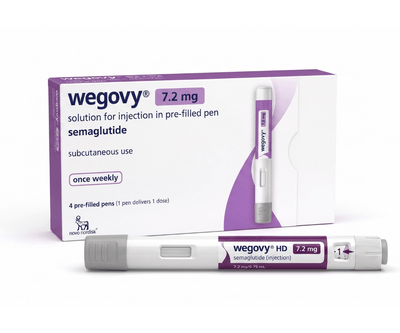
A quick note on names. Ozempic is licensed in the UK for type 2 diabetes, not weight loss. The weight loss medicines are Wegovy, which contains the same active ingredient as Ozempic, semaglutide, and Mounjaro, which contains tirzepatide. Tirzepatide is a different medicine that works on two gut hormone pathways rather than one. Any of them can lead to facial changes because they lead to weight loss.
If you are on treatment and worried about how your face is changing, talk to your prescriber. They can check your rate of weight loss and make sure you are eating enough protein. Some people go on to have cosmetic treatments such as dermal fillers to restore volume. If you consider that, choose a qualified, regulated practitioner and wait until your weight has settled.
Fat-dissolving injections
These are a cosmetic treatment, mostly used under the chin. They break down fat cells in a small area and usually need several sessions. They are not a way to lose weight and they do not help with a generally fuller face. Swelling, bruising and soreness are common afterwards. As with fillers, go to a qualified practitioner rather than a beauty salon offer.
When to see a GP
Most fuller faces are about weight or fluid and nothing more. But it is worth seeing a GP if:
- your face has become noticeably rounder and redder over a few months without an obvious reason
- you are also putting on fat around your neck, upper back or tummy while your arms and legs stay slim
- you have been taking steroid tablets for a long time
- your face is swollen on one side, or suddenly swollen with no clear cause
A round, red face with fat building up on the upper body can be a sign of Cushing's syndrome, which is most often caused by long-term high-dose steroid medicine. It is uncommon, but it is treatable and worth ruling out.
Bottom line
You cannot spot-reduce fat from your face. Face fat comes off as part of losing fat overall, through steady changes to what you eat, how much you move, and how much you drink. Cutting back on salt and alcohol can make a quick difference to puffiness. Facial exercises and gadgets will not slim your face.
If you are losing weight with medication, some change in your face is normal, and it usually reflects how much weight you have lost overall. If you are thinking about weight loss treatment, you can compare prices and plans from UK providers side by side on HealthCompareHub.
Medical disclaimer
This article is for general information only and is not medical advice. Speak to a qualified clinician before starting or changing any treatment.