Medications

Medications, explained

What you would actually be taking, why it is prescribed, how it is usually taken, and what the evidence says before you compare providers, guides and treatment prices.

Important: This page is for comparison research only, not medical advice. Suitability, dose and safety checks need a regulated clinical consultation. Start with the relevant weight-loss, ED, hair-loss, blood-test or TRT comparison.

Weight loss

Weight loss

How you take it: injection or oral tablet

These medicines are used as part of clinically supervised weight-management plans. The useful questions are simple: what is the active ingredient, how is it taken, what does the evidence show, and which providers list it?

Wegovy product photo

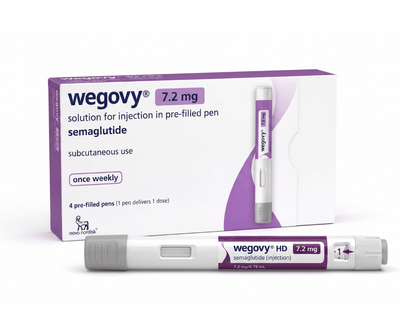
Wegovy

semaglutide

From £64
Prescription only

A once-weekly injection that acts like a gut hormone involved in appetite. It helps people feel fuller and can slow digestion, so intake may fall when it is used with clinical support.

What the evidence saysThe STEP 1 trial reported average body-weight loss of 14.9% over 68 weeks, versus 2.4% with placebo.
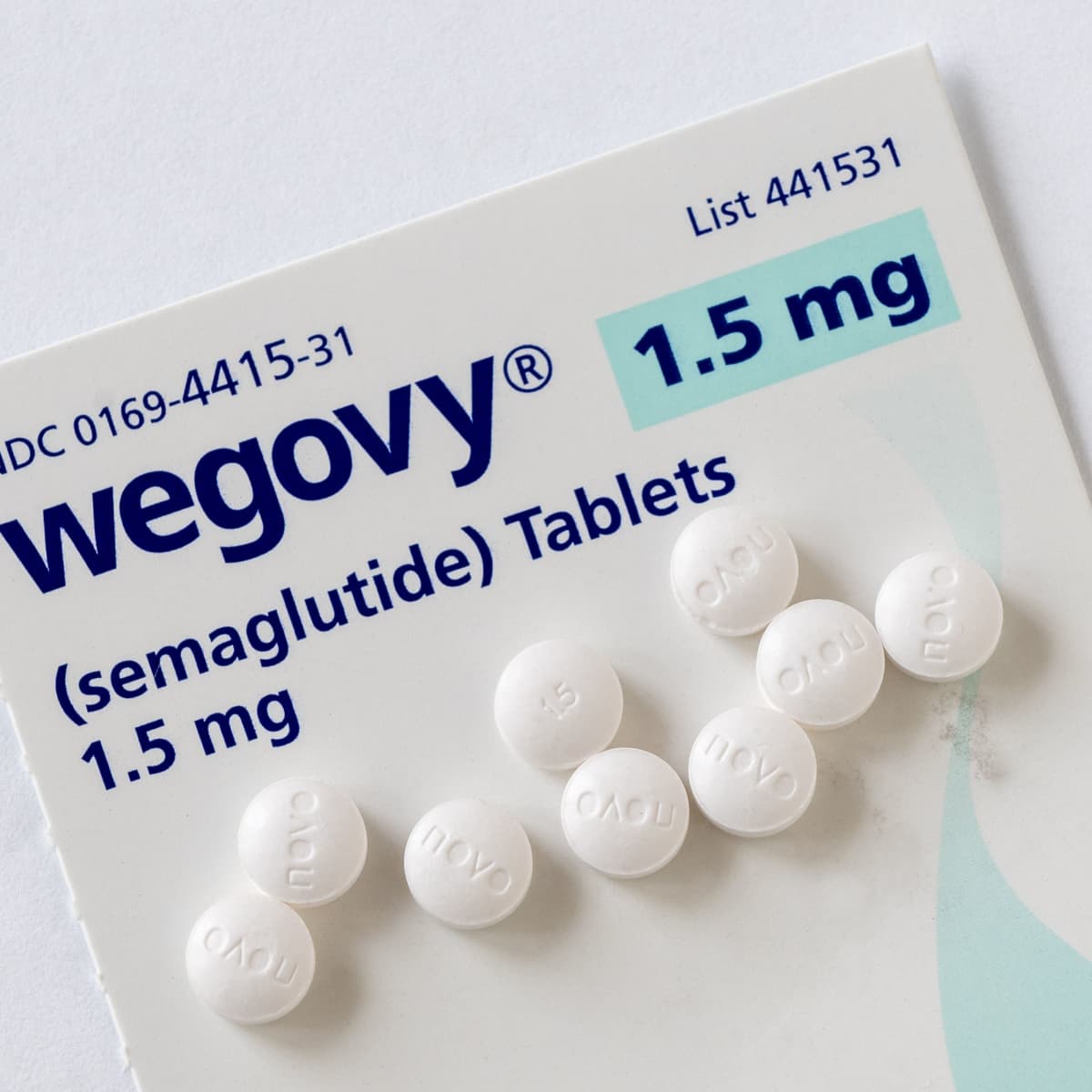
Wegovy Pill product photo

Wegovy Pill

oral semaglutide

From £46.20
Prescription onlyNew oral format

The same semaglutide active ingredient in tablet form instead of a weekly injection. Provider availability, dose range and pricing can move quickly because the oral format is newer.

What the evidence saysLate-stage oral semaglutide studies reported meaningful weight loss at higher trial doses. Real-world UK outcomes depend on dose, suitability and provider protocol.
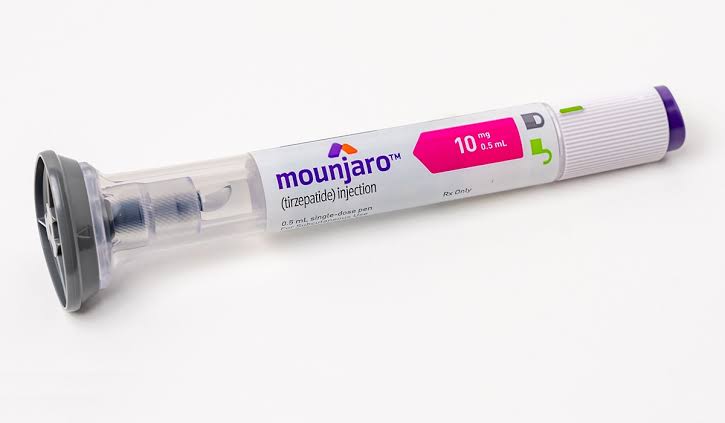
Mounjaro product photo

Mounjaro

tirzepatide

From £139
Prescription only

A once-weekly injection that works on two appetite-related hormone pathways. It is prescribed only after a clinical suitability check.

What the evidence saysThe SURMOUNT-1 trial reported average body-weight loss of 16.0% to 22.5% over 72 weeks depending on dose, versus 2.4% with placebo.

Erectile dysfunction

Erectile dysfunction

How you take it: tablet, as-needed or daily

ED tablets do not create arousal by themselves. They support blood flow when someone is sexually stimulated, and the main differences are onset time, duration, dose and whether a prescription is needed.

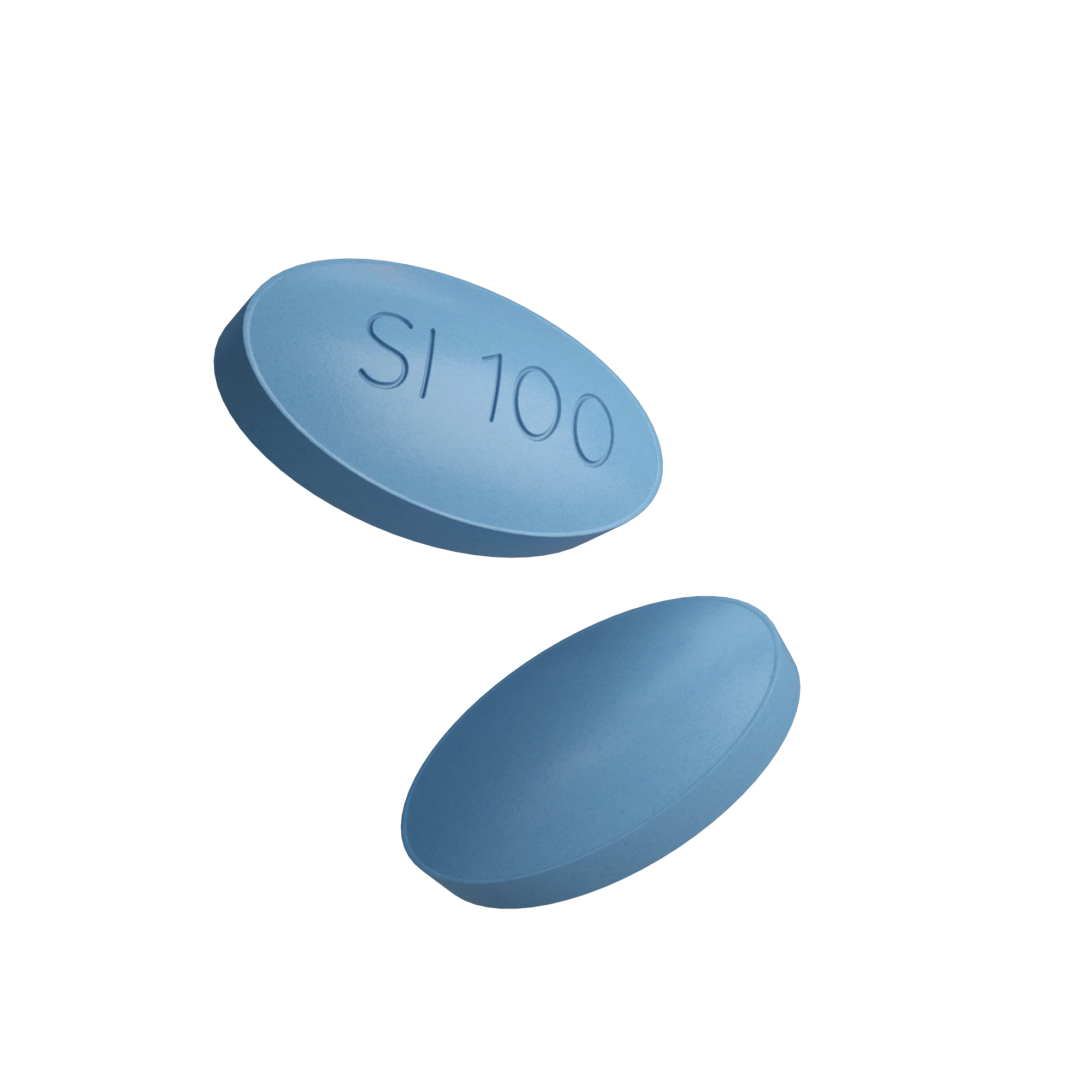
Sildenafil product photo

Sildenafil

generic Viagra

From £5.89
Prescription only

Taken before sex to help increase blood flow to the penis. It usually lasts for several hours and should be checked against heart medicines and other contraindications.

What the evidence saysClinical reviews consistently find sildenafil improves erection outcomes versus placebo in men with erectile dysfunction.
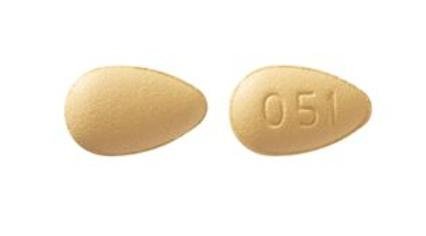
Tadalafil product photo

Tadalafil

generic Cialis

From £8.95
Prescription only

Works in a similar way to sildenafil but lasts longer, often up to 36 hours. That longer window is why some people prefer it for less planned timing.

What the evidence saysTrials report improved erectile-function scores and higher successful-intercourse rates versus placebo.
Tadalafil Daily product photo

Tadalafil Daily

low-dose tadalafil

From £19.08
Prescription only

A lower-dose tadalafil tablet taken every day. Instead of timing a tablet before sex, a consistent amount stays in the body.

What the evidence saysDaily tadalafil studies report clinically meaningful improvement across mild, moderate and severe ED groups.
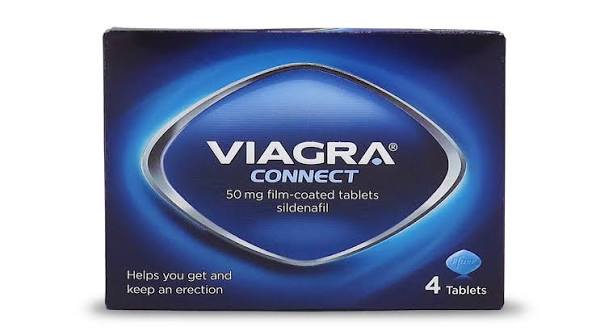
Viagra Connect product photo

Viagra Connect

sildenafil, branded

From £64
Pharmacist supplied

A branded sildenafil product that can be supplied by a pharmacist after safety checks. It uses the same active ingredient as sildenafil tablets.

What the evidence saysBecause it uses sildenafil, the evidence base is the sildenafil evidence base; the supply route is what differs.

Hair loss

Hair loss

How you take it: pill, capsule, spray or serum

Hair-loss products work in different ways. Some target DHT, a hormone linked with male pattern hair loss, while minoxidil supports the growth cycle through the scalp.

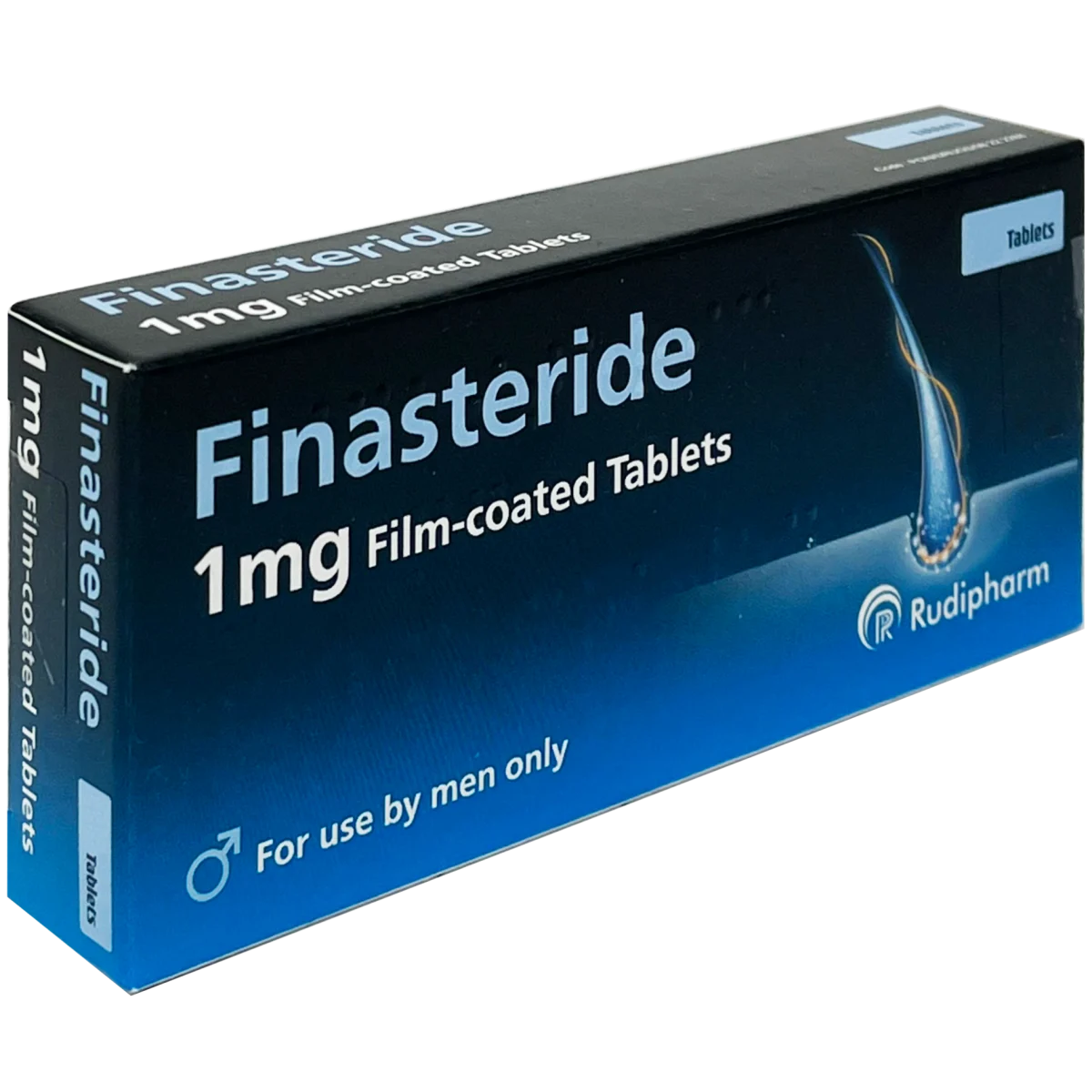
Finasteride product photo

Finasteride

generic Propecia

From £10.99
Prescription only

A daily tablet that lowers DHT. Lower DHT can reduce follicle miniaturisation in male pattern hair loss, which may slow loss and support regrowth.

What the evidence saysLong-term studies report improved hair counts and photographic assessment versus placebo in many men.
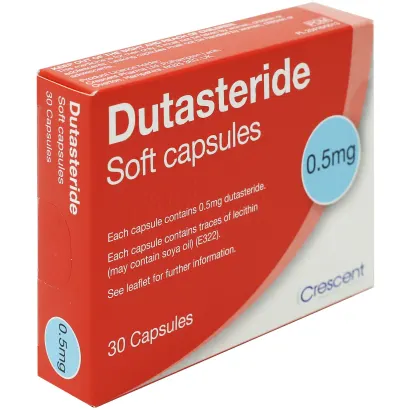
Dutasteride product photo

Dutasteride

generic Avodart

From £19
Prescription onlyOften off-label

A stronger DHT-lowering medicine than finasteride. In the UK it is commonly licensed for prostate conditions, so hair-loss use should be discussed clearly with a clinician.

What the evidence saysHead-to-head studies have reported greater hair-count improvements with dutasteride than finasteride, with suitability depending on risk review.
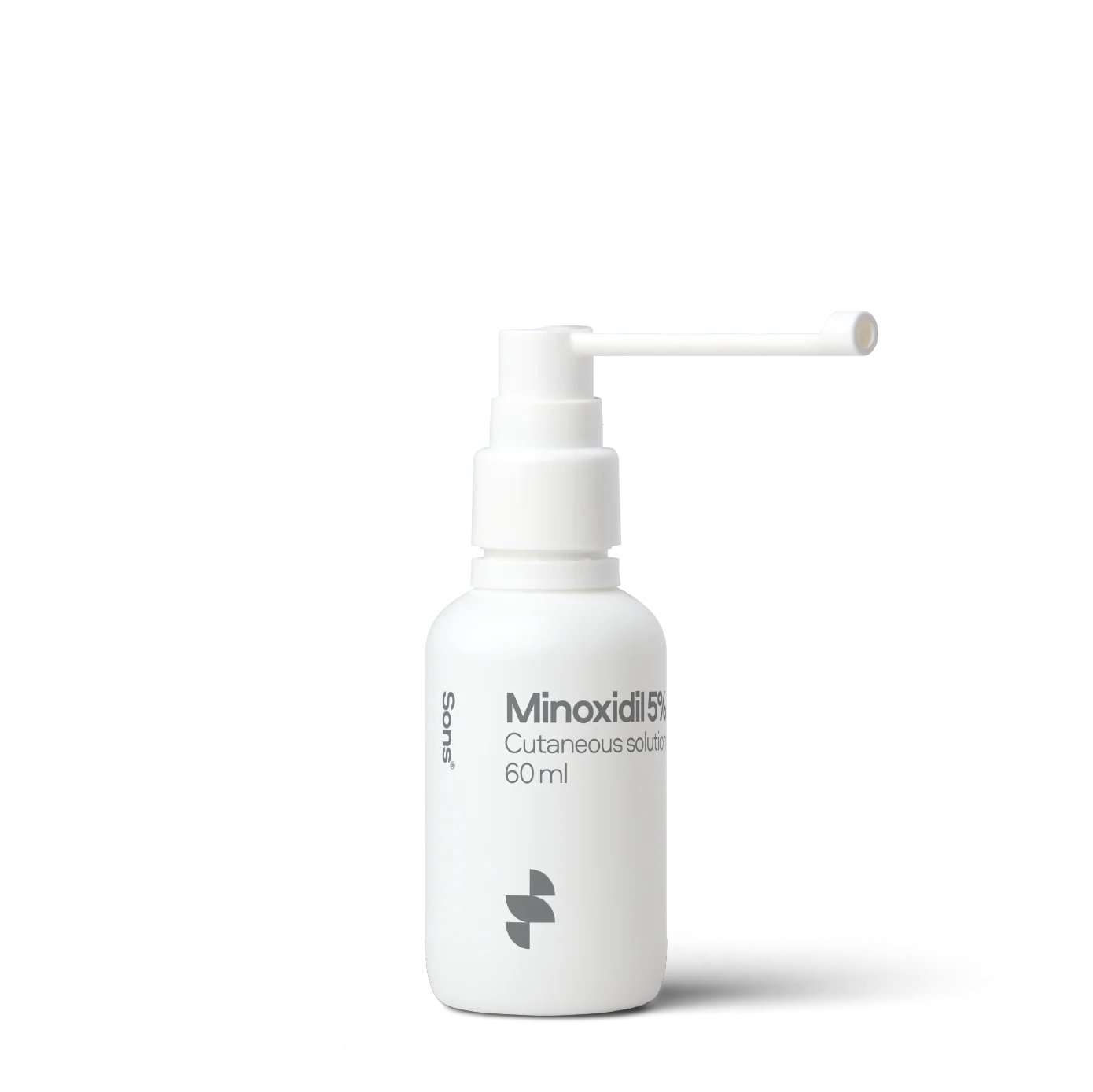
Minoxidil product photo

Minoxidil

generic Regaine

From £45
Topical or prescription oral

A treatment that supports the hair-growth cycle. Topical minoxidil is applied to the scalp, while low-dose oral minoxidil is prescription-led.

What the evidence saysClinical studies show topical minoxidil can improve hair density versus placebo, with combination plans often used by providers.

Blood tests

Blood tests

How you take it: finger-prick, Tasso or venous sample

Blood tests help turn symptoms, risks or treatment checks into actual numbers. That matters before treatment decisions, and it matters again for monitoring.

What is a biomarker?

A biomarker is a measurable signal in blood, such as cholesterol, blood sugar, thyroid markers, testosterone or vitamin levels. Different tests measure different sets of markers.

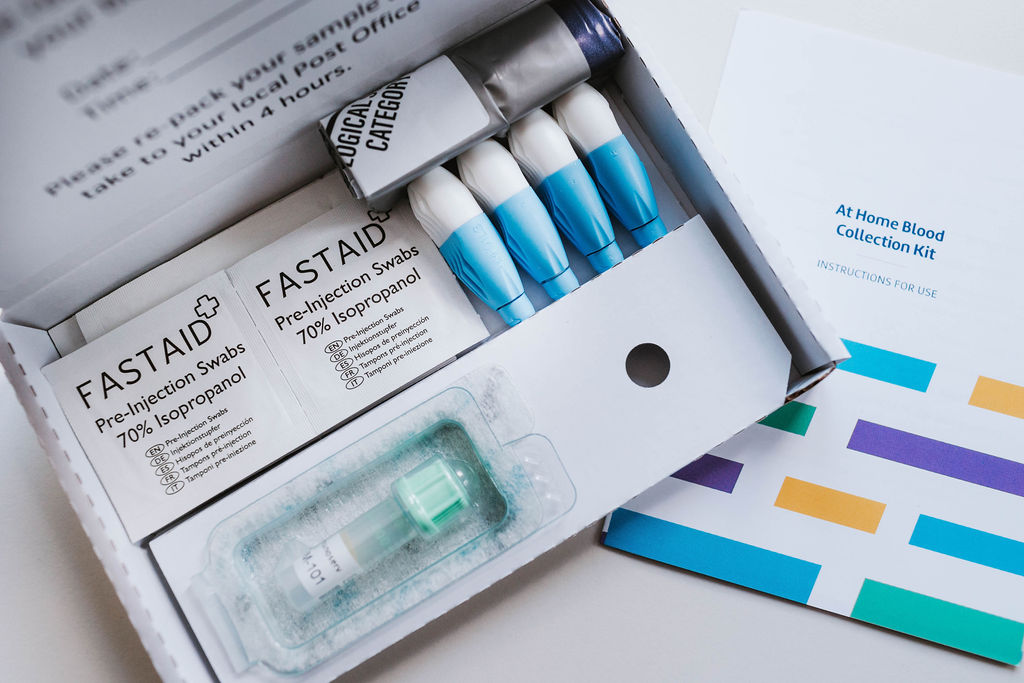
Finger-prick blood test

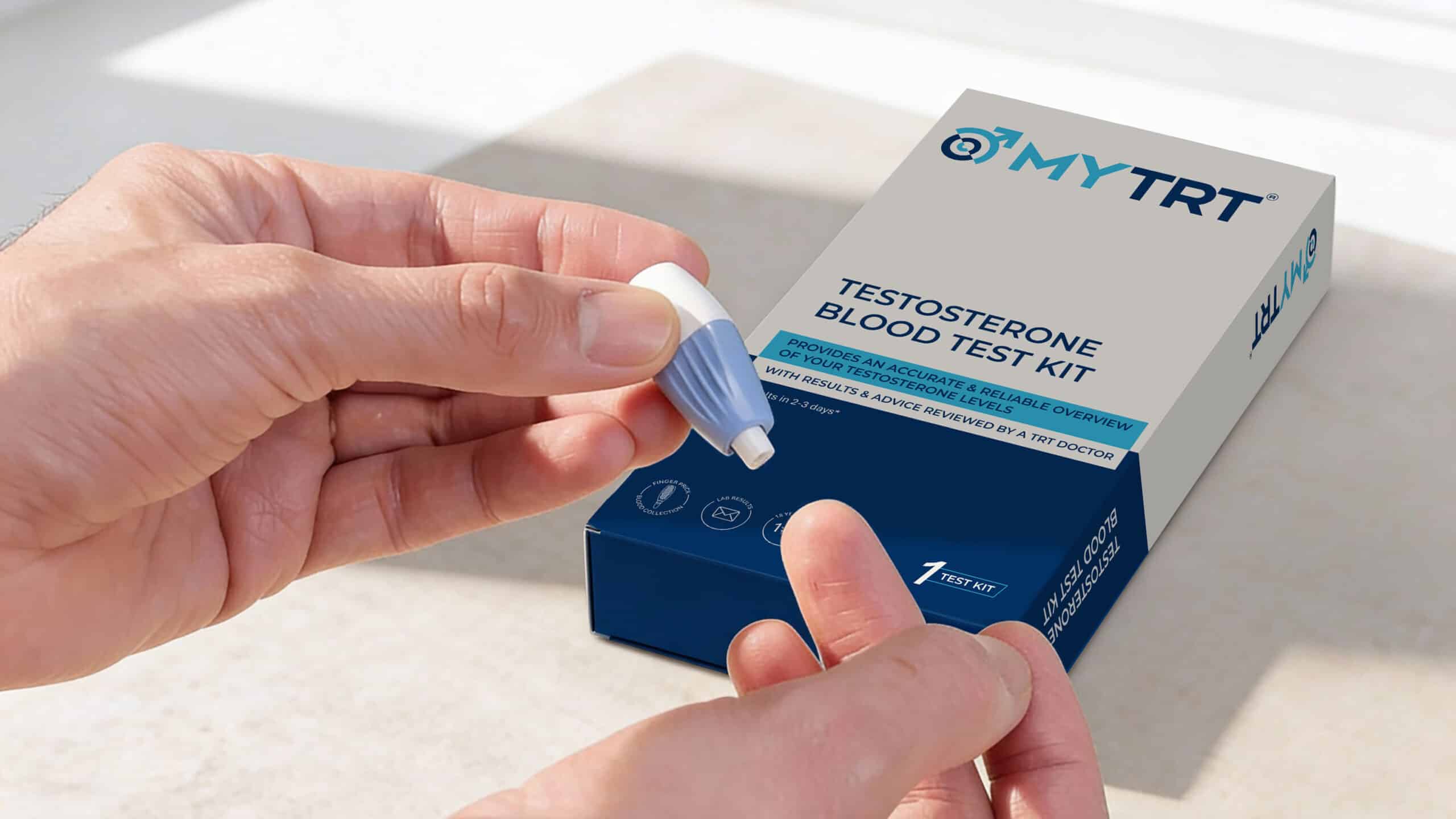
A capillary sample collected at home with a small lancet. It is convenient for many screening tests, though some markers need a larger or venous sample.

Low testosterone / TRT

Low testosterone / TRT

How treatment is decided: test, confirm, review, then treat

TRT is not something to choose from symptoms alone. A responsible pathway starts with blood testing, confirms low levels, checks safety markers and then chooses a treatment route if appropriate.

2

Confirm

A fuller repeat test can confirm levels and check safety markers such as blood count, liver markers and PSA where relevant.

4

Treat and monitor

If prescribed, treatment may use injection, cream or other medicine, with ongoing monitoring.