Noticing your hairline creeping back, or catching sight of the crown of your head in a lift mirror, is not a nice moment. If that is where you are, you are in good company. Male pattern baldness is the most common type of hair loss in men, and it affects around half of men over 50.
It is also one of the more predictable conditions out there. It follows a recognisable pattern, it usually moves slowly, and there are two treatments with decent evidence behind them. This guide covers why it happens, how to tell it apart from other kinds of hair loss, and what your options really look like.
In this guide
What causes male pattern baldness
Male pattern baldness comes down to your genes and your hormones working together. The hormone involved is dihydrotestosterone, usually shortened to DHT, which your body makes from testosterone.
In men who are prone to it, the hair follicles on the top and front of the scalp are sensitive to DHT. Over time, DHT makes those follicles shrink. Each new hair grows back a little thinner and shorter than the last, until some follicles stop producing visible hair at all.
The follicles on the back and sides of your head are not sensitive in the same way, which is why most balding men keep hair there.
The genes behind it can come from either parent. The old idea that you should look at your mother's father is only part of the picture. If baldness runs on either side of your family, your chances are higher.
Having male pattern baldness does not mean you have too much testosterone. Men with completely normal hormone levels go bald all the time. It is about how sensitive your follicles are, not how much hormone is in your blood.
The signs to look out for
Male pattern baldness tends to show up in a fairly set order. The common early signs are:
- a hairline that recedes at the temples, often into an M shape
- thinning on the crown, at the back of the top of your head
- hair on top that feels finer or looks more see-through under bright light
- more scalp showing when your hair is wet
As it progresses, the receding front and the thinning crown can meet in the middle, leaving hair around the sides and back.
It can start at any point after puberty. Some men notice changes in their late teens, others not until their 40s or later. Starting younger can mean it moves faster, but for most men it develops slowly, over years or even decades.
When it might be something else
Not all hair loss is male pattern baldness, and it is worth knowing the difference because the treatments are not the same.
If you are suddenly losing lots of hair all over your head, rather than thinning in the usual places, that can be telogen effluvium. It is often triggered by illness, stress, surgery or rapid weight loss a few months earlier, and it usually settles on its own.
Round, smooth bald patches that appear quickly are more likely to be alopecia areata, which is an autoimmune condition. Hair loss with a red, scaly, itchy or sore scalp needs a proper look too.
The NHS suggests seeing a GP to find out what is causing your hair loss before you go to a commercial hair clinic. That is good advice, especially if anything about your hair loss does not fit the usual pattern.
The treatments that have real evidence
There is no cure for male pattern baldness. What treatment can do is slow it down, and in some men bring back a bit of thickness. Two medicines have the strongest evidence.
Finasteride
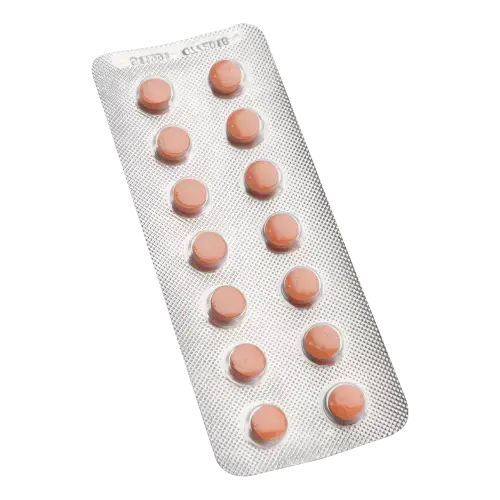
Finasteride is a daily tablet that lowers the amount of DHT your body makes. Less DHT means less pressure on the follicles, so hair loss slows and some men regrow a little.
It takes patience. It can take up to 14 months of daily use before you see a clear benefit, so judging it after a few weeks is not a fair test.
Most men take it without any problems. A small number, roughly 2 in 100, notice a lower sex drive or erection problems. For a few men these effects can carry on after they stop taking it.
The medicines regulator, the MHRA, has also strengthened its warnings about mood. Finasteride packs now come with a patient card. If you notice low mood, depression or thoughts of suicide while taking it, stop and speak to a doctor straight away. Tell the prescriber about any history of depression before you start. Our finasteride side effects guide goes through all of this in more detail.
Finasteride is only for men. Women who are or could be pregnant should not handle broken or crushed tablets.
Minoxidil
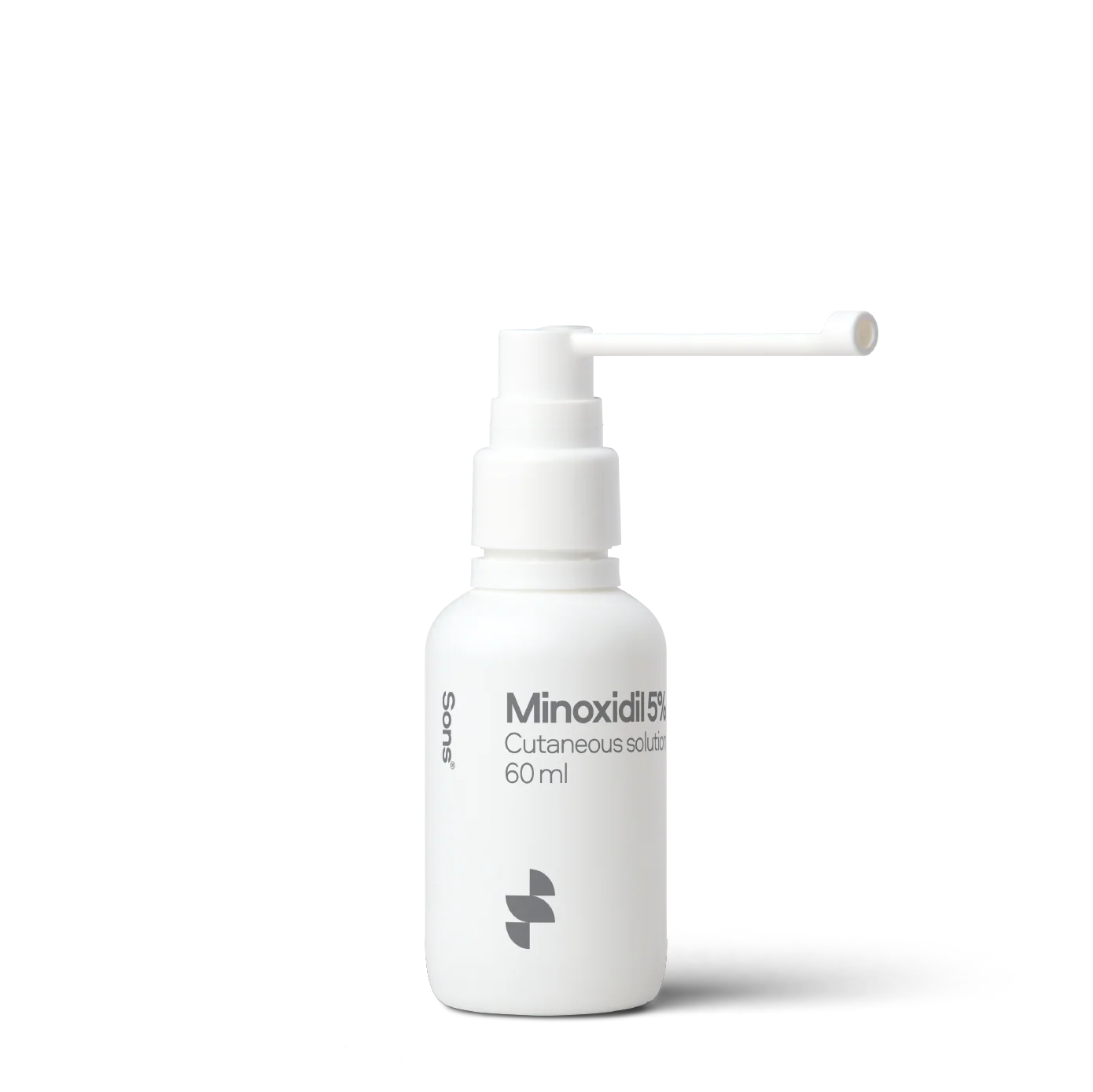
Minoxidil is a liquid or foam you apply to your scalp, usually at 5% strength twice a day for men. It works differently from finasteride. Rather than changing your hormones, it seems to keep hair in its growing phase for longer and can thicken the hair you still have.
Again, give it time. You need to use it for at least six months, and possibly a year, before you can tell whether it is working. Some people find it irritates the scalp at first.
Minoxidil works best when you start early. It is much less useful once an area has been bald for a long time.
Using both together
Finasteride and minoxidil work in different ways, so many men use both. Doctors and online clinics commonly recommend this, especially when hair loss is moving quickly.
The catch with both
Both treatments only work for as long as you keep using them. If you stop finasteride, you are likely to lose the hair you gained within about a year. If you stop minoxidil, your scalp gradually goes back to how it would have been without it.
That makes this a long-term decision rather than a short course. It is worth thinking about the ongoing cost before you start.
Other options you might come across
Some prescribers offer dutasteride, a tablet that lowers DHT more strongly than finasteride. Dermatology guidance suggests it may work better, but in the UK it is licensed for an enlarged prostate, not for hair loss, so using it for hair is unlicensed. It carries similar side effect warnings to finasteride.
Low-dose minoxidil tablets are another unlicensed option some specialists use. The early results look promising, but the studies are small and the tablets can cause side effects such as extra body hair, a fast heartbeat and fluid retention. This is one for a specialist to prescribe and monitor, not something to try on your own.
Hair transplants move follicles from the back of your head, where they are not sensitive to DHT, to the thinning areas. They can work well, but they are expensive, results depend heavily on the surgeon, and they are not available on the NHS. Most surgeons will also want you on medication to protect the hair you have not had moved.
Then there are the treatments with weaker evidence. Light therapy devices have not shown a meaningful improvement in research. Platelet-rich plasma injections appear safe, but there is not yet enough evidence to say how well they work. Microneedling has very little research behind it as a hair loss treatment.
Can you get treatment on the NHS?
Usually not. Finasteride and minoxidil for male pattern baldness are not generally available on NHS prescription, so most men pay privately, through a pharmacy or an online clinic. Hair transplants are not offered on the NHS either.
Because you will probably be paying for months or years, prices make a real difference. Costs vary a lot between providers for the same medicine, and introductory offers often change the price after the first month or two.
Doing nothing is a valid choice
Plenty of men decide not to treat their hair loss at all. Some keep it short, some shave it off and never look back. If it does not bother you, there is no medical reason to treat it.
If it does bother you, that matters too. Hair loss can knock your confidence and affect how you feel day to day. That is a fair reason to look at treatment, or to talk to someone about how you are feeling.
Bottom line
Male pattern baldness is common, mostly genetic and usually slow. Finasteride and minoxidil are the two treatments with the best evidence. Both take months to show results and only work while you keep using them, so start early if you are going to start at all, and think about the long-term cost.
If your hair loss is sudden, patchy, or comes with a sore or itchy scalp, see a GP first. It may be something else.
When you are ready to compare finasteride, minoxidil and combined plans, you can see prices from UK providers side by side on HealthCompareHub.
Medical disclaimer
This article is for general information only and is not medical advice. Speak to a qualified clinician before starting or changing any treatment.