Fast-growing health markets are now facing a trust test.
Counterfeit weight-loss medicines, shrinking NHS fertility funding and fresh menopause research all point to the same problem: patients need clearer, safer ways to compare care before paying privately.

This week's health news is less about shiny launches and more about what happens when fast-moving treatment markets mature. MPs are warning that counterfeit weight-loss pills may be easier to produce and harder for patients to spot than fake injectable pens. New HFEA figures show UK IVF outcomes improving while the share of NHS-funded cycles keeps falling. And Cambridge-led research into menopause, HRT and brain health is a useful reminder that big studies need careful reading, especially when headlines move faster than the evidence.
For Health Compare Hub readers, the practical thread is simple: compare providers, check clinical safeguards, and be cautious when a treatment route looks unusually cheap, unusually easy, or too definite for the evidence.
In this round-up
MPs warn the UK may struggle to keep pace with counterfeit weight-loss pills
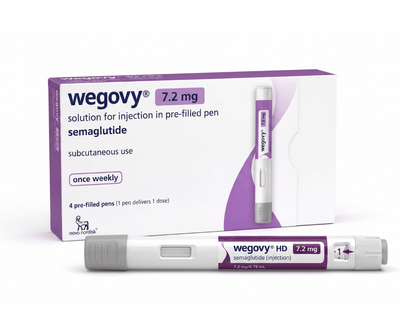
Layla Moran, chair of the Health and Social Care Committee, has warned that the UK's medicines regulator may not have the resources needed to tackle a growing black market in counterfeit weight-loss medicines. The concern has sharpened since the approval of oral semaglutide for weight management, because tablets may be easier to counterfeit and distribute than injectable pens.
Parliamentary evidence heard in June pointed to the scale of the illegal medicines problem, including large seizures of counterfeit or unlicensed products. Clinicians have also warned that some fake injectable pens have contained substances such as insulin rather than semaglutide, which can be dangerous for people who do not have diabetes.
Only use a registered UK pharmacy or a provider that carries out a proper clinical consultation, asks about your medical history and explains follow-up. If a provider sells prescription weight-loss medication without checks, or the price looks far below the rest of the market, treat that as a safety warning rather than a bargain.
IVF outcomes are improving, but NHS-funded access keeps narrowing
The HFEA's 2024 figures show that around 53,000 patients had IVF at licensed UK clinics, with more than 21,000 babies born from IVF that year. IVF births now account for around 1 in 31 UK births, more than double the share seen in 2004.
Success rates have also improved. The average IVF birth rate per embryo transferred was 30% in 2024, up from 20% in 2014, although outcomes still vary by age, ethnicity and family type.
The access picture is moving in the other direction. NHS-funded IVF cycles fell from 35% of all IVF cycles in 2019 to 28% in 2024 across the UK, and were lowest in England at 25%. That leaves more patients comparing private fertility clinics, package prices and success-rate reporting on their own.
Do not assume NHS funding is available, especially in England where local Integrated Care Board criteria matter. If you are comparing private clinics, look beyond the headline cycle price: age-specific success rates, what is included, medication costs and refund-package terms can all change the real comparison.
What a major UK study says, and does not say, about menopause, HRT and the brain
A Cambridge-led analysis of UK Biobank data from nearly 125,000 women looked at associations between menopause, hormone replacement therapy, mental health, cognition and brain structure. It found links between menopause and changes in mental health, sleep, cognition and grey matter volume in specific brain regions.
The findings are important, but they need careful interpretation. The study is observational, so it can show associations but cannot prove that HRT causes a specific brain or mood outcome. Women using HRT may also be more likely to have had menopause symptoms that prompted treatment in the first place.
This is not a reason to stop or avoid HRT based on a headline. If you are taking HRT and have concerns about mood, sleep, memory or side effects, speak to your GP or menopause specialist before making changes.
Beyond weight loss: hair loss, ED, TRT and blood testing
- Hair loss: recent UK coverage has highlighted specialist NHS dermatology work and clinical trials at Guy's and St Thomas', keeping alopecia and pattern hair-loss research in the public eye.
- ED: private men's health clinics are continuing to package erectile dysfunction consultations alongside broader hormone, cardiovascular and lifestyle checks.
- TRT: low diagnosis rates and long NHS routes continue to push demand toward private testosterone clinics, but pricing is hard to compare because medication, blood tests and monitoring may be billed separately.
- Blood testing: NHS England is exploring self-sampling routes connected to digital health checks, while private at-home venous and finger-prick testing providers continue to expand.
Market and investment
- UK startup funding trackers continue to show strong investor interest in AI, healthtech and cyber security, with healthcare software still attracting capital even when consumer health brands face more scrutiny.
- Diagnostics: startups working on less invasive testing, including breath-based diagnostics, are still raising funds as investors look for scalable alternatives to traditional lab pathways.
- Regulation: the MHRA's work on international reliance routes could make it faster for some medical device and software products with trusted overseas approvals to reach the UK market.
Medical disclaimer
This article is for general information only and is not medical advice. Prescription medicines, fertility treatment and HRT decisions should always be discussed with a qualified healthcare professional.
Sources
- UK unable to tackle weight-loss drug black market, MP warns, The Independent
- Health and Social Care Committee oral evidence, UK Parliament
- Fertility treatment 2024: trends and figures, HFEA
- Number of IVF patients triples in 30 years, HFEA
- Emotional and cognitive effects of menopause and hormone replacement therapy, Psychological Medicine
- Menopause linked to loss of grey matter in the brain, University of Cambridge
- UK's first hair loss clinic for children, Guy's and St Thomas' NHS Foundation Trust
- NHSE explores home testing via NHS App for new conditions, Digital Health
- UK Startup Funding Report, Startupmag
- This week in European medtech and healthtech, Nelson Advisors