If your hairline is creeping back or the crown is thinning, you have probably come across the term DHT blocker. It sounds like one type of product, but it covers everything from prescription tablets to shampoos and supplements, and they are not equally good.
The short version is that finasteride is the DHT blocker with the strongest evidence for male pattern hair loss in the UK. Natural options such as saw palmetto have far weaker evidence. A new type of topical treatment has had promising trial results but is not available for hair loss here yet.
In this guide
What DHT is and why it matters
DHT, or dihydrotestosterone, is a hormone your body makes from testosterone. An enzyme called 5-alpha reductase does the converting.
In men with a genetic tendency to male pattern hair loss, hair follicles on the top and front of the scalp are sensitive to DHT. Over time it makes those follicles shrink. Each new hair grows back a little finer and shorter than the last, until some follicles stop producing visible hair at all. The hair at the back and sides is usually far less sensitive, which is why so many men keep a horseshoe of hair as the rest thins.
Having normal testosterone and DHT levels does not protect you. It is the sensitivity of your follicles, which you inherit, that makes the difference.
What a DHT blocker actually does
"DHT blocker" is a loose marketing term rather than a medical one. Products sold under it work in one of two ways:
- lowering how much DHT your body makes, by blocking the 5-alpha reductase enzyme
- stopping DHT from acting on the hair follicle, without changing how much of it you have
Finasteride and dutasteride work the first way. The new topical treatments in trials work the second way. Most supplements and shampoos claim to do one or the other, usually without much proof.
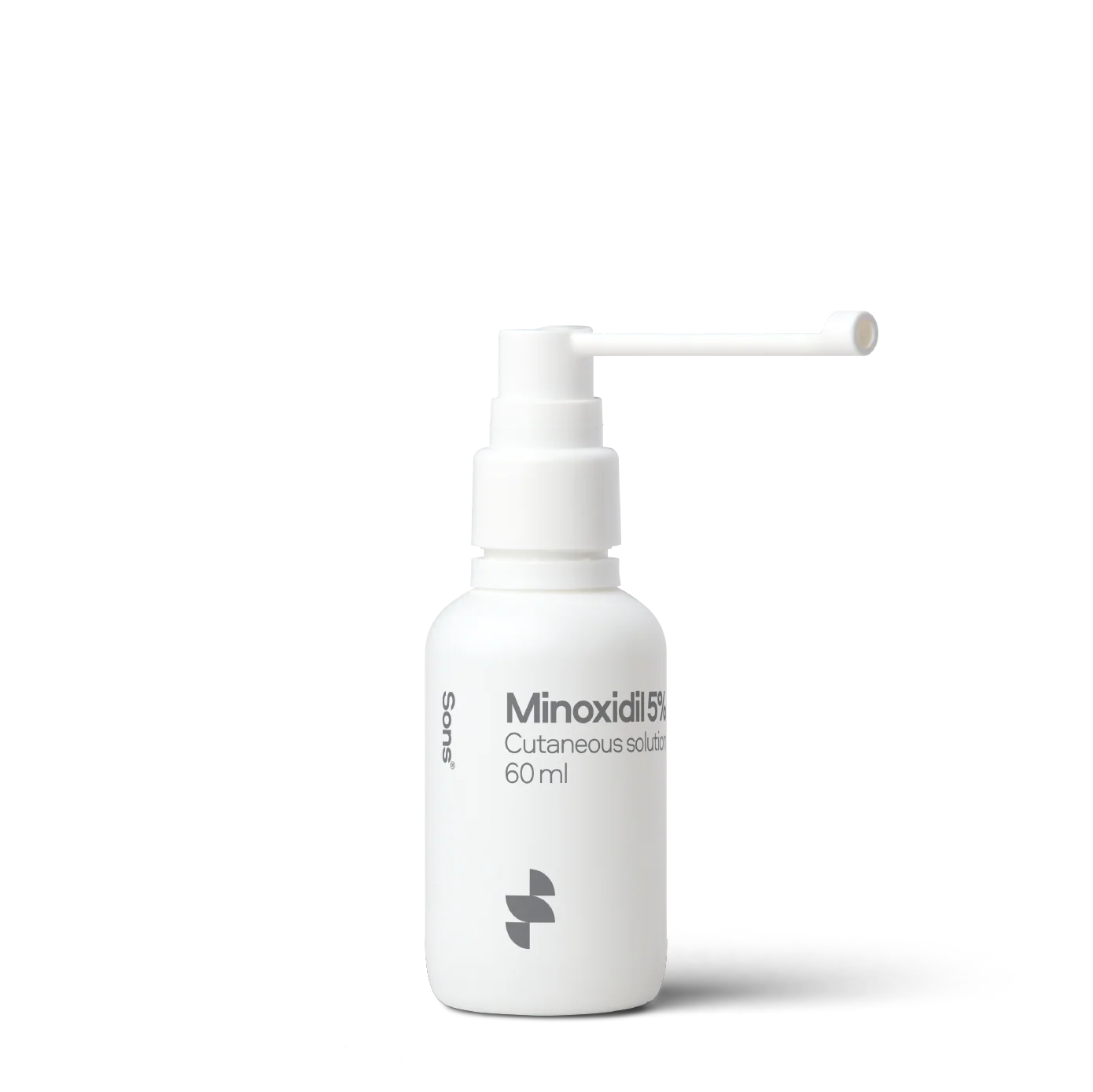
Minoxidil is often mentioned in the same breath, but it is not a DHT blocker. It works on the follicle in a different way and is often used alongside finasteride.
Finasteride
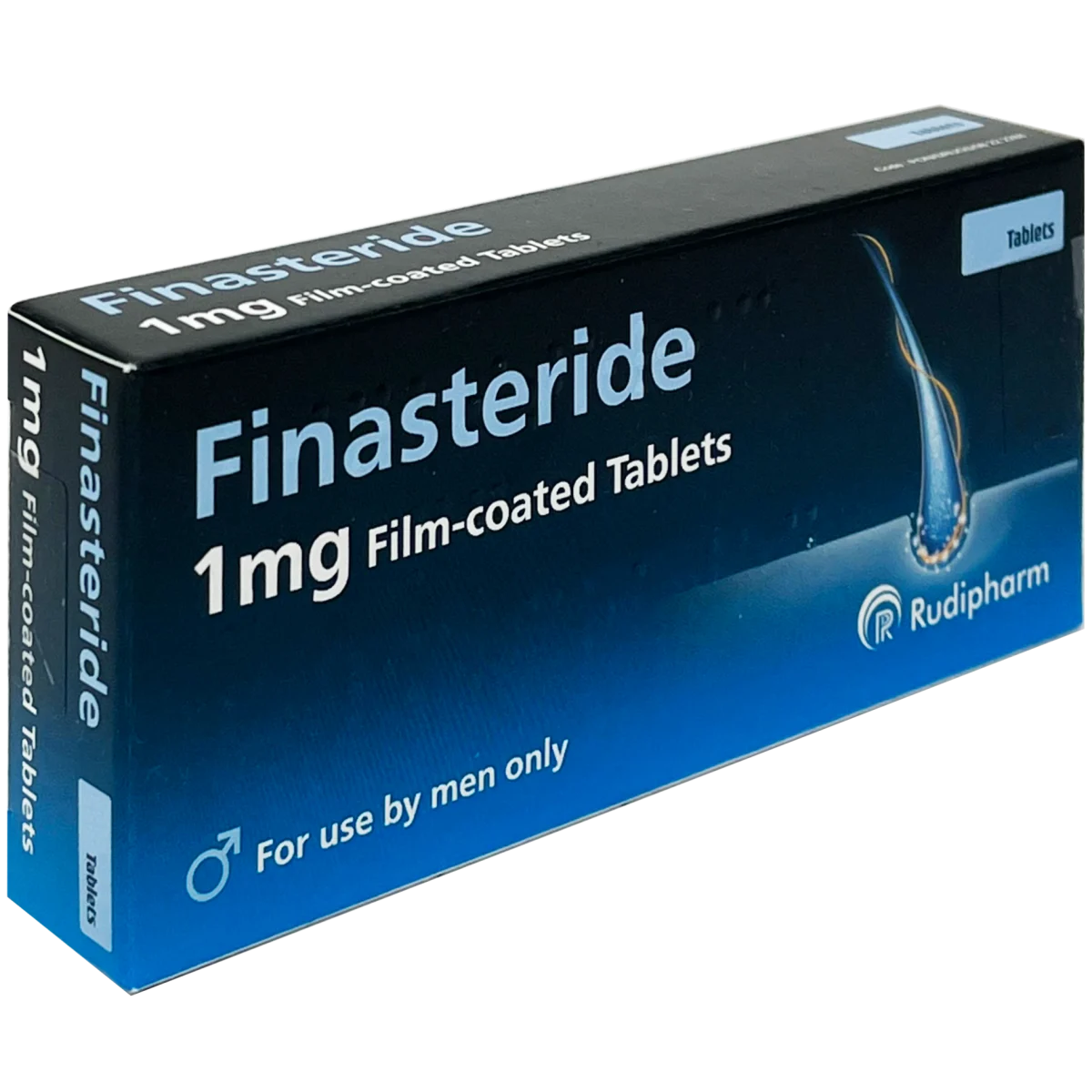
Finasteride 1mg is a prescription tablet licensed in the UK for male pattern hair loss. It blocks one form of the 5-alpha reductase enzyme, which lowers DHT levels in the scalp.
It is the best-studied DHT blocker by a distance. Most men who take it either stop losing hair or regrow some, mainly on the crown and mid-scalp. It works less well on a receding hairline at the temples.
A few things to know before starting:
- it takes time, usually three to six months before you notice a difference
- it only works while you take it, and the official product information says any gains start to reverse within about six months of stopping and are lost by nine to 12 months
- it is not available on the NHS for hair loss, so you need a private prescription
- women who are pregnant or might become pregnant should not handle crushed or broken tablets, because finasteride can harm a male baby
Dutasteride
Dutasteride is a close relative of finasteride. It blocks both forms of the 5-alpha reductase enzyme, so it lowers DHT further.
In the UK it is licensed only for an enlarged prostate, not for hair loss. Some private clinics prescribe it off-label for hair loss, usually when finasteride has not worked well enough. Off-label means the prescriber takes on more responsibility, so it is worth asking why they are suggesting it and what monitoring they recommend.
Natural DHT blockers
Saw palmetto is the best known. It is a plant extract also sold for prostate health, and it is thought to have a mild effect on the same enzyme as finasteride. A review of the studies found some positive results, but the trials were small and of low quality, and none showed it working as well as finasteride.
Pumpkin seed oil has one small trial behind it, in which men taking it for six months had a modest increase in hair count compared with a dummy pill. One small study is not enough to know whether it really works.
You will also see shampoos sold as DHT blocking, often containing saw palmetto, caffeine or ketoconazole. Shampoo spends a minute or two on your scalp before you rinse it off, and the evidence that any of them slow male pattern hair loss in a meaningful way is thin.
Natural does not mean risk-free either. Supplements are not checked for effectiveness in the way medicines are, doses vary between brands, and saw palmetto can cause stomach upsets. If you take other medicines, check with a pharmacist first.
New topical options
One reason DHT blockers are getting so much attention this year is a new type of treatment applied to the scalp. Clascoterone, tested under the code CB-03-01, blocks DHT from acting on the follicle rather than lowering DHT across the body.
In two large phase 3 trials involving around 1,465 men, a 5% clascoterone solution grew more hair than a dummy solution, and side effects were similar between the two groups. The company behind it has said it is applying for approval in the US and Europe.
It is not available for hair loss in the UK, and approval is not guaranteed. Be wary of anyone selling it online for hair loss now.
Side effects and the MHRA warning
Most men take finasteride without problems, but it can cause side effects. The most talked about are sexual ones, such as lower sex drive, difficulty getting an erection and changes in ejaculation.
The MHRA, the UK medicines regulator, has strengthened its warnings about finasteride in recent years. It says finasteride is linked to depression, suicidal thoughts and sexual problems, and that sexual side effects can carry on after you stop taking it. Packs of finasteride now include a patient alert card explaining what to look out for.
The MHRA's advice is clear. If you take finasteride 1mg and develop low mood or suicidal thoughts, stop taking it and contact a healthcare professional as soon as possible. Tell your prescriber about any history of depression before you start. The MHRA has added a similar precautionary warning about mood to dutasteride.
You can report a suspected side effect to the MHRA through the Yellow Card scheme.
What about women?
Women lose hair too, and DHT can play a part in female pattern hair loss. But finasteride and dutasteride are not licensed for women in the UK, and they must not be used during pregnancy.
If you are a woman worried about thinning hair, start with a GP. Hair loss in women has a wider range of causes, including iron deficiency, thyroid problems and hormonal changes, and some of these show up on a blood test. A specialist can talk through treatment options that are suitable for you.
Bottom line
DHT drives male pattern hair loss in men whose follicles are genetically sensitive to it. Finasteride remains the DHT blocker with the strongest evidence, but it needs to be taken long term and comes with side effects worth discussing with a prescriber, including the risks the MHRA has highlighted. Natural DHT blockers have much weaker evidence. Topical options such as clascoterone look promising but are not available for hair loss in the UK yet.
The earlier you start treatment, the more hair there is to keep. If you are weighing up your options, you can compare UK hair loss providers and what they charge side by side on HealthCompareHub.
Medical disclaimer
This article is for general information only and is not medical advice. Speak to a qualified clinician before starting or changing any treatment.
Sources
- medicines.org.uk: Finasteride 1mg tablets, patient information leaflet
- MHRA Drug Safety Update: Finasteride and dutasteride, updated safety warnings for psychiatric side effects and sexual dysfunction
- MHRA: MHRA strengthens safety warnings for finasteride and dutasteride
- Evron et al. (2020), Skin Appendage Disorders: Saw palmetto, a systematic review in alopecia
- ClinicalTrials.gov: SCALP2, clascoterone solution in male pattern hair loss
- NHS: Hair loss