Yes, high cholesterol is linked to erectile dysfunction. Over time, cholesterol can build up in the walls of your arteries and narrow them, and the small arteries that supply the penis tend to feel the effect early.
That makes erection problems more than a bedroom issue. For some men they are one of the first signs that the arteries elsewhere, including around the heart, are starting to narrow. The good news is that the same steps that protect your heart can help your erections too.
In this guide
How cholesterol affects erections
An erection depends on blood flow. When you are aroused, the blood vessels in the penis relax and widen so blood can rush in and stay there.
Too much LDL cholesterol, often called bad cholesterol, can build up in artery walls as fatty deposits. This process, called atherosclerosis, makes arteries narrower and stiffer. It also affects the lining of the blood vessels, which is what helps them relax and widen on demand.
Narrower, stiffer blood vessels mean less blood can reach the penis, and that can make erections harder to get or keep.
Why erection problems can be an early warning sign
The arteries in the penis are much narrower than the ones that supply the heart. So when atherosclerosis is building up across the body, it can affect erections before it causes any heart symptoms. The British Heart Foundation describes erection problems as one of the first possible warning signs of narrowing arteries.
Studies suggest erectile dysfunction can come on roughly two to five years before a heart attack or other heart event in some men. That gap is a chance to act.
Your age matters here. Erection problems are common as men get older and often have more than one cause. In younger men, especially those under 50, erectile dysfunction is more likely to be a sign of raised heart risk and is worth taking seriously.
None of this means erectile dysfunction always points to heart disease. Stress, anxiety, alcohol, tiredness and some medicines can all play a part. But it is a good reason to get checked rather than just treating the symptom.
The other risk factors ED and heart disease share
High cholesterol rarely acts alone. Erectile dysfunction and heart disease share many of the same risk factors:
- high blood pressure
- type 2 diabetes
- smoking
- carrying extra weight, especially around your middle
- not being very active
- drinking a lot of alcohol
The more of these you have, the higher your risk of both. Many of them can be improved, and doing so helps on both fronts.
Will lowering your cholesterol help your erections?
It might, especially if narrowed arteries are part of the cause. Healthier eating, more exercise, stopping smoking and losing weight if you need to can all improve blood flow over time.
Statins, the most common cholesterol-lowering medicine in the UK, have been studied too. When researchers pooled the results of small trials, men taking statins had a modest improvement in erectile function compared with men who were not. The effect was smaller than you would get from an erectile dysfunction tablet, and not every analysis has agreed. So statins are not an ED treatment, but they are unlikely to make things worse for most men and may help a little.
Can statins cause erectile dysfunction?
Statin leaflets list sexual problems as a possible side effect, and some men do notice changes. But for most men the trial evidence points the other way, towards a small improvement.
If you think your statin is affecting your erections, do not just stop taking it. Statins lower your risk of a heart attack or stroke. Talk to your GP, who can look at whether something else is the cause or whether a different statin or dose might suit you better.
ED tablets if you have a heart condition
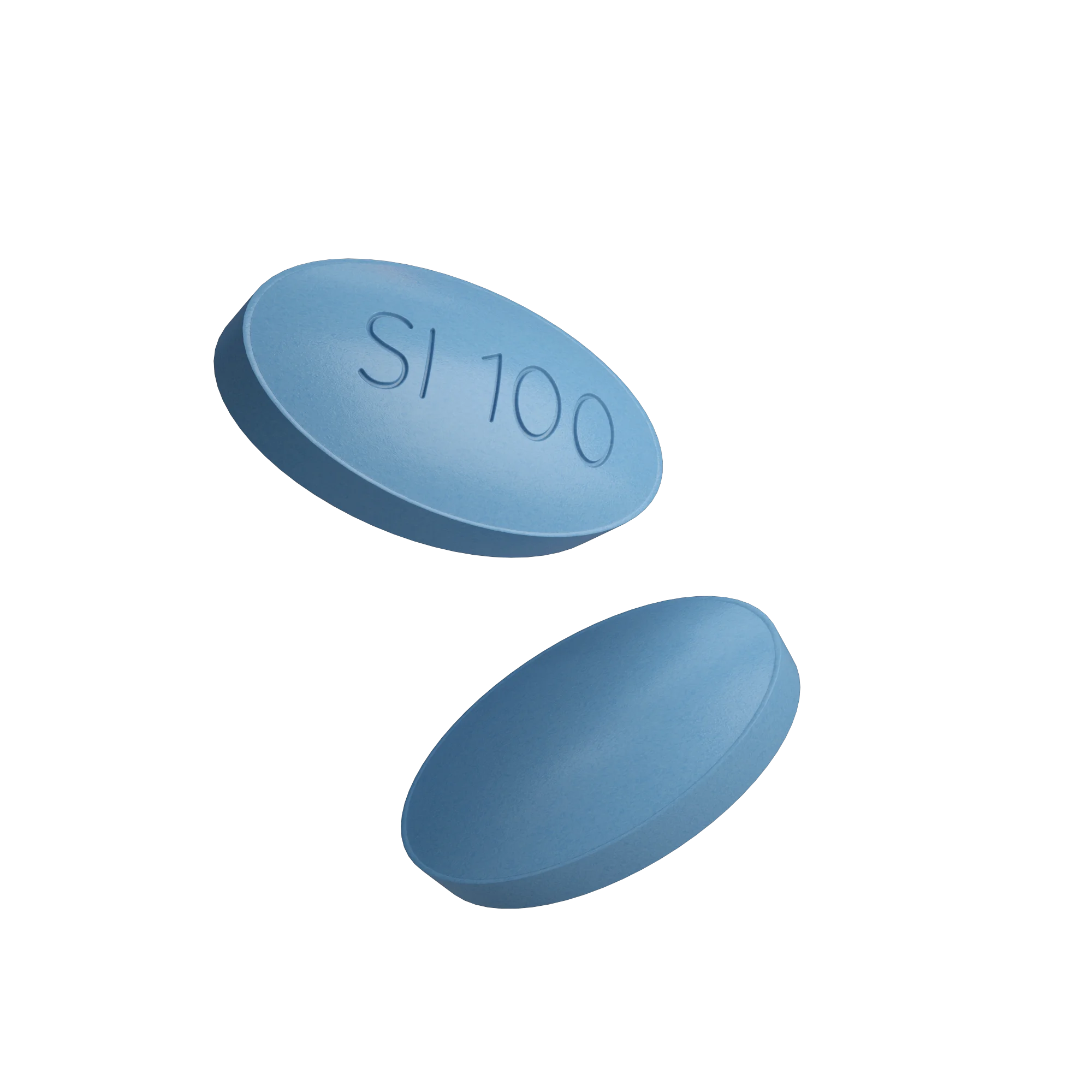
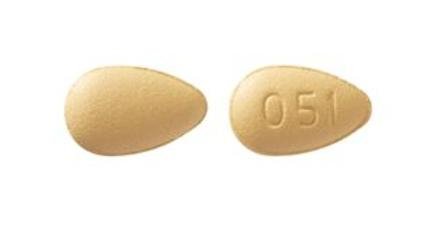
Erectile dysfunction tablets such as sildenafil and tadalafil are safe for many men with heart problems, but not all.
They must never be taken with nitrate medicines, such as a GTN spray or tablets for angina, because together they can cause a dangerous drop in blood pressure. They may also not be suitable if you have had a recent heart attack or stroke, have very low blood pressure, or have been told that sexual activity is not safe for your heart.
Whoever prescribes them should ask about your heart health and any medicines you take. Answer honestly, and mention any chest pain or breathlessness you get during exercise or sex.
Getting your cholesterol checked
High cholesterol does not usually cause symptoms, so a blood test is the only way to know your levels.
The NHS gives these as a guide to healthy levels for most adults:
- total cholesterol below 5 mmol/L
- non-HDL cholesterol, which is total cholesterol minus the good HDL, below 4 mmol/L
- HDL cholesterol above 1.0 mmol/L for men, or above 1.2 mmol/L for women
Your GP will look at your cholesterol alongside your blood pressure, age, family history and other factors to work out your overall risk, so the numbers on their own are only part of the picture.
In England, adults aged 40 to 74 without an existing heart condition should be invited for a free NHS Health Check every five years, which includes a cholesterol test. You can also ask your GP for a test, especially if you have erection problems, or use a home finger-prick cholesterol test from a private provider.
When to see a GP
See a GP if erection problems last more than a few weeks or keep coming back, particularly if you are under 50 or have any of the risk factors above. They can check your blood pressure, cholesterol and blood sugar and look for any other causes.
Call 999 if you have chest pain that spreads to your arms, jaw, neck or back, or chest pain with sweating, sickness or breathlessness. These can be signs of a heart attack.
Bottom line
High cholesterol can narrow the arteries that supply the penis, and erection problems can be an early sign that arteries elsewhere are narrowing too. That makes erectile dysfunction worth mentioning to a GP rather than just treating on its own. Getting your cholesterol, blood pressure and blood sugar checked, and making changes where you need to, protects your heart and can help your erections.
If you want to compare erectile dysfunction treatments or home cholesterol tests from UK providers, you can see them side by side on HealthCompareHub.
Medical disclaimer
This article is for general information only and is not medical advice. Speak to a qualified clinician before starting or changing any treatment.