
People with type 2 diabetes who stopped GLP-1 medicines had about twice the risk of heart attack, stroke or death.
A large study on stopping GLP-1s, a near five-fold rise in HRT prescriptions, real-world results for the Wegovy pill and Boots moving into medical cannabis.
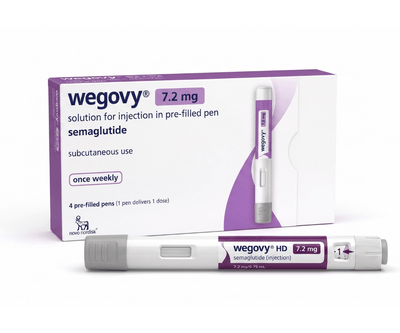
An Italian study of more than 80,000 people with type 2 diabetes found that those who stopped GLP-1 medicines had about double the rate of heart attack, stroke or death, although the design cannot show that stopping caused it. NHS data showed HRT prescriptions in England have risen almost five-fold in ten years, with a wide gap between richer and poorer areas. Real-world data on the Wegovy pill broadly matched its trial results, and Boots launched an online medical cannabis service. The common thread is that more people are now on long-term treatments, and the harder question is how they stay on them safely.
Stopping GLP-1 medicines linked to twice the risk of heart attack, stroke or death in type 2 diabetes
The study, published in The Lancet Regional Health Europe on 9 November and reported by The Pharmaceutical Journal on 12 November, used records from 301 diabetes clinics in Italy between 2004 and 2024. It followed 80,302 adults with type 2 diabetes who started a GLP-1 medicine and had no previous heart attack or stroke. By their last visit, 60.5% had stopped treatment.
After matching similar patients, the combined rate of non-fatal heart attack, non-fatal stroke or death from any cause was 3.94 per 100 person-years in people who stopped, against 1.96 in people who carried on. The link was stronger in people with obesity. Most patients were on older GLP-1 medicines, tirzepatide was not available during the study period, and it did not look at people taking these medicines for weight loss alone.
The authors said the extra risk was unlikely to be explained only by stopping treatment, and may reflect people who stopped already being at higher risk. Faye Riley of Diabetes UK said the findings should be interpreted with caution.
If you have type 2 diabetes and are thinking of stopping a GLP-1 medicine, speak to your diabetes team first. If you take one privately for weight loss, this study does not tell you what happens when you stop, but it is still worth planning that step with a clinician.
HRT prescriptions in England are almost five times higher than ten years ago
NHS Business Services Authority data, reported by The Pharmaceutical Journal on 16 November, shows 16,431,889 HRT items were prescribed in England in 2025/26, up from 3,390,820 in 2016/17. The number of women prescribed HRT rose from about 1.1 million to just over 3 million. Women aged 50 to 54 were the largest group.
The gap between areas is wide. About 31 in every 1,000 patients in the most deprived areas received HRT, against 73 in 1,000 in the least deprived. Almost a quarter of items were obtained with the HRT prescription prepayment certificate introduced in April 2023. The British Menopause Society called the rise positive but said the data does not show whether prescribing now matches need.
If menopause symptoms are affecting you, HRT is widely prescribed on the NHS, and the prepayment certificate can cut the cost if you pay for prescriptions. Ask your GP or pharmacist about it.
Wegovy pill users lost 6.2% of their weight in three months in real-world data
Reuters reported on 14 November that an analysis of 5,872 adults on the Ro telehealth platform in the US, due to be presented at the ObesityWeek conference, found those who stayed on Novo Nordisk's daily Wegovy pill for three months lost an average of 6.2% of their body weight, about 6.3kg. Around three in five lost at least 5%, and about one in six lost at least 10%.
Novo Nordisk said the results broadly matched the 5.5% seen at 12 weeks in its main trial. The analysis only counted people who stayed on the pill for the full three months, so people who stopped early are not included.
The Wegovy pill is sold privately in the UK, and early results look similar to the trials. Expect slower progress in the first months while the dose is stepped up, and compare first-order and ongoing prices before you start.
Boots launches an online medical cannabis prescribing service
Boots has launched SureLeaf, a specialist-led medical cannabis service run through Boots Online Doctor, The Pharmaceutical Journal reported on 16 November. It is open to eligible patients aged 25 and over with conditions including generalised anxiety disorder, insomnia, chronic pain, fibromyalgia, osteoarthritis and chronic back or neck pain.
Patients must already have tried standard treatments without enough relief. They complete an online assessment and a video consultation with a specialist, and a team including a second independent consultant reviews each case. Reviews follow at 28 days and then at least every three months. Pain Concern said there is not yet enough evidence to support these drugs for chronic pain.
Medical cannabis is a last-line option with limited evidence, and private prescriptions can be costly. If you are considering it, ask what the monthly cost and review fees will be before you sign up.
Weight loss
- CagriSema, Novo Nordisk's weekly injection combining cagrilintide and semaglutide, produced average weight loss of about 21% over 68 weeks at lower doses in the REDEFINE 9 trial, published in The Lancet Diabetes and Endocrinology and covered on 16 November. The trial had 309 adults without diabetes, with sites in the UK, Canada, France, Germany and the US.
Women's health
- MHRA launched a Women's Health Programme for 2026 to 2030 on 16 November, to close gaps in evidence on how medicines and devices affect women. Its own analysis of 4,616 UK trial applications found pregnant women were included in 1.1% of trials and breastfeeding women in 0.6%.
Blood testing and diagnostics
- Alderley Lighthouse Labs agreed on 11 November to offer the PinPoint Test, a blood test that gives a cancer risk assessment when symptoms first appear, to the public. It says it will be the first private UK lab to offer it. The test was developed in the NHS using data from almost 400,000 patients. Price and launch date have not been announced.
Digital health business
- Hims & Hers, which owns Zava in the UK, reported third-quarter revenue of $890.4 million on 9 November, up 49%. Revenue outside the US rose 321% to $233.3 million after recent international expansion. Gross margin fell to 57% from 74% a year earlier.
We found no new UK stories on erectile dysfunction, hair loss or testosterone from the past seven days, so men's health is skipped this week.
Medical disclaimer
This article is for general information only and is not medical advice. Speak to a qualified clinician before starting or changing any treatment.
Sources
- The Pharmaceutical Journal: Stopping GLP-1s linked to twice the risk of heart attack, stroke or death in type 2 diabetes (12 November 2026)
- Euronews: For diabetes patients, stopping GLP-1 drugs linked to doubled risk of heart attack, stroke or death (11 November 2026)
- The Pharmaceutical Journal: HRT prescriptions five times higher than ten years ago (16 November 2026)
- Reuters via CP24: Weight-loss pill helps patients lose 6% of body weight in three months (14 November 2026)
- The Pharmaceutical Journal: Boots launches online medical cannabis prescribing service (16 November 2026)
- Medical Xpress: Weekly weight-loss injection combo shows promise (16 November 2026)
- MHRA: MHRA launches new programme to tackle evidence gaps on women's health (16 November 2026)
- BusinessCloud: Alderley Lighthouse Labs to offer PinPoint cancer risk test (11 November 2026)
- Hims & Hers: Third quarter 2026 financial results (9 November 2026)
- The Pharmaceutical Journal: MHRA approves orforglipron weight-loss pill (10 August 2026)
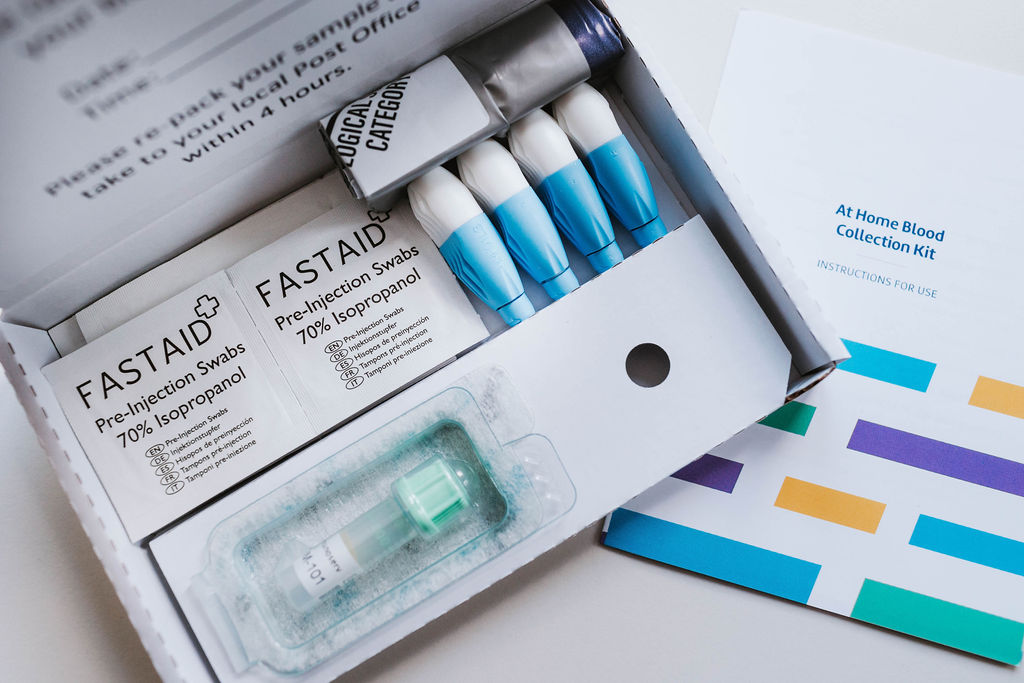 UK Health Market Round-Up: NHS Trials Cancer Blood Tests in 200 GP Practices
