
Blood tests
Hair Loss Blood Tests: Which Markers Matter and Why
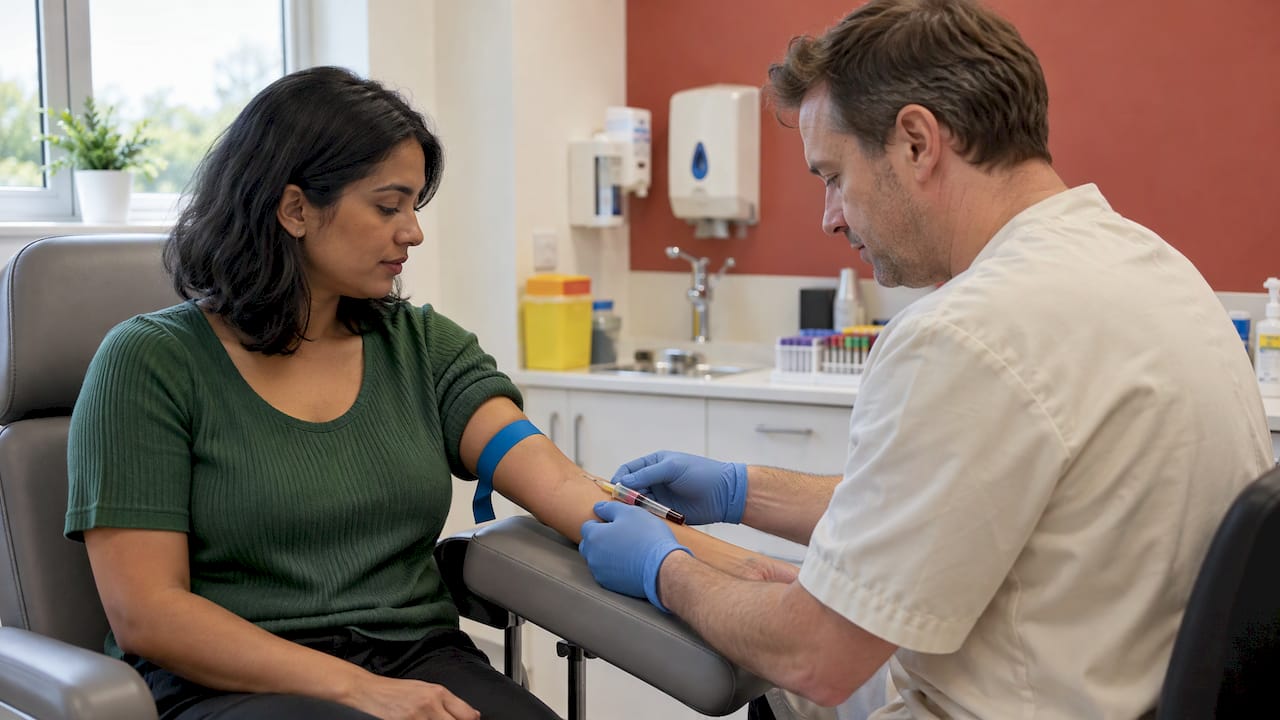
A hair loss blood test checks for underlying causes that show up in your blood: low iron stores, an under- or over-active thyroid, low vitamin D and, in some cases, hormone levels. UK clinical guidance names a short list of markers for this: a full blood count, ferritin, thyroid function and vitamin D. The most useful test is one built around that list, with results you can take to a GP. We compare UK blood test providers on exactly those details, so you can pick a test by what it measures, how the sample is taken and what it costs.
TL;DR
- The core markers in UK guidance are a full blood count, ferritin (your stored iron), thyroid function and vitamin D.
- Blood tests are most useful when hair loss looks sudden, diffuse or linked to illness, stress, diet change or medication, rather than a slow receding pattern.
- Zinc, B12, folate and hormone tests are add-ons for specific situations, not a reason to buy the biggest panel.
- A private test gives you numbers, but a GP should interpret anything abnormal, and some patterns of hair loss need an in-person examination.
- Compare tests on markers included, sample type (finger-prick or venous), turnaround, and whether a clinician comments on the results.
Table of Contents
- When a blood test makes sense for hair loss
- The markers that matter, and what each can show
- Extra tests: when the basics are not the whole story
- Does the NHS offer blood tests for hair loss?
- How to choose a hair loss blood test
- Reading your results sensibly
- Compare hair loss blood tests in one place
- FAQ
- Sources
When a blood test makes sense for hair loss
Hair loss has many causes, and blood only reveals some of them. Hereditary pattern hair loss, the gradual thinning at the temples and crown in men or the widening parting in women, is usually recognised from your history and from looking at the scalp. NICE Clinical Knowledge Summaries (revised May 2026) says tests are worth considering when an underlying cause or a different diagnosis is suspected, when the presentation is atypical, or when there are signs of an under-active thyroid, anaemia or vitamin D deficiency.
In practice, a test is a sensible next step if any of these apply:
- You are shedding far more than usual, or the loss started quickly.
- It began a few months after a severe infection, major stress, surgery or a crash diet.
- You have changed your diet, for example going vegan or cutting calories sharply.
- You have started, stopped or changed a medicine.
- You also have fatigue, feeling cold, heavy periods, dry skin or other symptoms that could point to low iron or a thyroid problem.
The same NICE page lists the features that should make a clinician suspect an underlying cause: profound shedding or rapid onset, temporal thinning, scalp inflammation, scaling or scarring, absent or reduced eyebrows or eyelashes, recent severe infection, iron deficiency, hypothyroidism, medication changes and dietary changes. If your hair loss comes with a sore, red, scaly, pustular or scarred scalp, see a GP rather than relying on a blood test alone, because blood results cannot show what the scalp itself is doing.
The NHS also notes that it is normal to lose 50 to 100 hairs a day, and that temporary loss can follow illness, stress, cancer treatment, weight loss or iron deficiency. That is why timing matters: if you can link the start of shedding to one of those events, a blood test is a logical way to check the nutritional and hormonal side.
The markers that matter, and what each can show
The Primary Care Dermatology Society (PCDS) Hair Loss Pathway, published November 2024, lists the basic investigations as a full blood count (FBC), iron status (ferritin), urea and electrolytes, vitamin D and thyroid function. Here is what those mean in plain terms.
| Marker | What it measures | Why it is checked in hair loss |
|---|---|---|
| Full blood count (FBC) | Red cells, white cells, haemoglobin and platelets | Can show anaemia and general signs of illness or inflammation |
| Ferritin | The protein that stores iron | Shows how much iron your body holds in reserve; low stores are a recognised contributor to temporary shedding |
| Thyroid function (TSH, often with free T4 and free T3) | How well the thyroid gland is working | An under- or over-active thyroid is a known trigger for shedding |
| Vitamin D | Your vitamin D status | Included in guidance as a marker to consider when deficiency is suspected |
| Urea and electrolytes | Kidney function and salt balance | Part of the PCDS basic screen to rule out wider illness |
NHS inform lists iron deficiency and thyroid disorders, whether under-active or over-active, among the triggers of telogen effluvium. That is the common form of temporary, widespread shedding where more hairs than normal move into the resting phase together. If that sounds like you, our guide to telogen effluvium and sudden shedding covers the timeline and what recovery looks like.
Ferritin: the one most people have not heard of
Ferritin is the number to look at first. Haemoglobin, which an FBC reports, can look normal while iron stores are already running low, so ferritin gives an earlier picture. If you are comparing tests and one leaves ferritin out, it is missing the marker that hair-focused guidance puts near the top of its list.
Thyroid: TSH alone or a fuller picture
Thyroid tests range from TSH alone to TSH plus free T4 and free T3. A fuller panel gives a clearer view of what the gland is doing. If thyroid symptoms are your main concern, our thyroid blood test comparison lays out what each provider includes.
Extra tests: when the basics are not the whole story
The PCDS pathway names a second tier of investigations for particular situations: zinc, folic acid and B12 if there are dietary concerns, syphilis serology where it is suspected, ANA (an antibody test linked to autoimmune conditions), and early morning testosterone, free androgen index and SHBG (a protein that carries sex hormones in the blood).
In plain terms:
- B12, folate and zinc suit people on restricted diets, with digestive conditions or with a recent big change in eating.
- ANA is an autoimmune screen that a clinician would order based on your symptoms, not something to add by default.
- Sex hormones are relevant when there are other signs of a hormonal imbalance, such as irregular periods in women or low libido and fatigue in men.
If hormones are the question, the male hormone blood test comparison and female hormone blood test comparison show which hormones each provider covers. For women in their forties or fifties, hair thinning can sit alongside other changes, and the perimenopause and menopause test comparison is the more relevant page.
Does the NHS offer blood tests for hair loss?
Yes, when a GP thinks they will help. NHS inform says a GP will usually ask about your hair loss and examine your hair, that sometimes you may need a blood test, and that you may be referred to dermatology if the cause is unclear. NHS.uk advises seeing a GP if you are worried, and to do so before visiting a commercial hair clinic.
For some conditions, local NHS pathways set out the bloods to be done before a referral. Cornwall’s primary care referral criteria, reviewed March 2022, specify a blood screen for alopecia areata of FBC, urea and electrolytes, liver function, ferritin, thyroid function and ANA, with ferritin and ANA depending on clinical judgement. The same page notes that referrals for physiological androgenic alopecia are not routinely funded. Policies differ between areas, so what your own GP practice offers may differ.
A GP appointment is the right first stop if any of the following apply:
- Patchy or sudden bald areas, which can point to alopecia areata. NHS inform describes it as thought to be an autoimmune condition in which the immune system mistakenly attacks the hair follicle.
- A scalp that is sore, scaly, inflamed, pustular or scarred.
- Loss of eyebrows or eyelashes.
- Hair loss that is causing you significant distress. The PCDS pathway points out that clinicians can underestimate the psychological impact of hair loss, and says to refer in cases of severe distress.
The PCDS also lists dermoscopy, a magnified look at the scalp and follicle openings, as an invaluable part of assessment, since it helps tell scarring from non-scarring hair loss. That is something only an in-person examination provides, and it is the reason a blood test works best alongside, not instead of, a clinician’s look at your scalp.
How to choose a hair loss blood test
Any of us can order a private blood test, and for many people it is a quick way to get numbers before or alongside a GP visit. Here is how to choose well.
1. Start from your situation, not the panel size
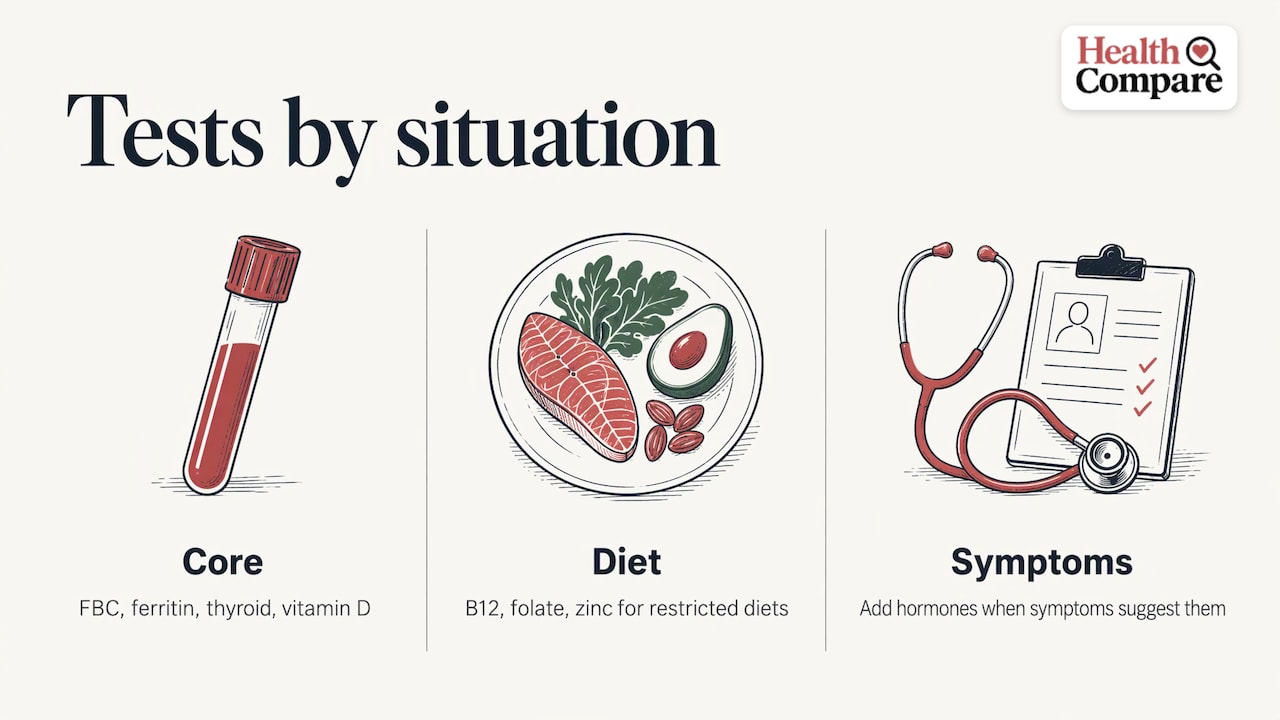
Match the test to the likely cause. Sudden shedding after illness or a diet change points to the core list: FBC, ferritin, thyroid and vitamin D. Add B12, folate or zinc if your diet is restricted. Add hormones only when other symptoms suggest it. A bigger panel costs more and may include markers that have nothing to do with your hair.
2. Check the exact markers
Product names such as “hair health” or “hair loss” test are not standardised. One may include ferritin, vitamin D, folate, TSH, free T4 and free T3; another may leave out the FBC. Read the marker list line by line and compare it with the PCDS basic list above. Our core blood test comparison and complete blood test comparison show the marker lists side by side, so you do not have to open every provider’s page.
3. Look at how the sample is taken
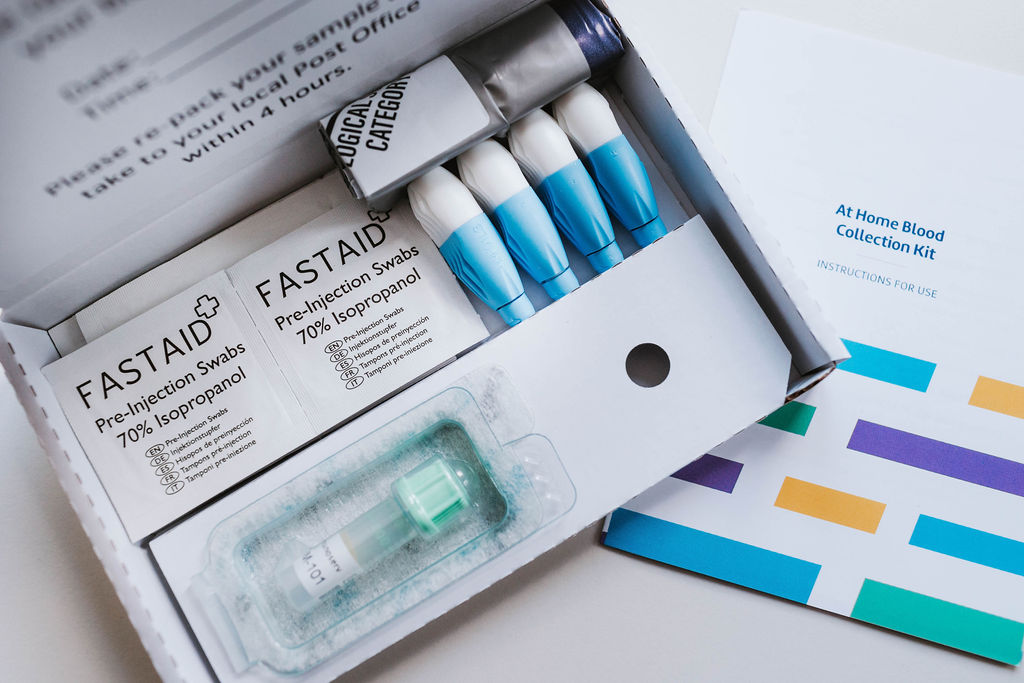
Home finger-prick kits are convenient and discreet. Some providers instead use a venous draw (blood taken from a vein in the arm) at a clinic or by a phlebotomist. Check which method each test uses, whether you need to fast, and whether early morning timing is required, as it is for testosterone.
4. Compare turnaround and what you receive
Results can come back within a day or two or take longer, depending on the provider. Look for a lab report that shows your result against a reference range and for clinician comments you can bring to a GP. Delivery details, ratings and service notes sit next to prices in our blood test provider comparison, so you can weigh convenience against cost.
5. Count the total cost
Prices move, and extras such as postage, a clinician review or a repeat test can change the total. Check the provider’s page for the price on the day you order, rather than relying on a figure you saw months ago.
Reading your results sensibly
A result outside the reference range is a prompt to talk to a GP, not a diagnosis. Take the report with you, mention when the shedding began, and say what else has changed. If your ferritin or vitamin D is low, or your thyroid markers are out of range, a GP can advise on treatment and whether to repeat the test. Do not start high-dose iron or other supplements on your own based on a home result, as too much iron can be harmful, and the right dose depends on your result and health.
A normal set of results is useful too. It narrows the field and, when the pattern looks hereditary, points towards treatments for pattern hair loss rather than supplements. Our guide to male pattern baldness explains how it progresses, and the finasteride price and provider comparison and hair loss treatment comparison cover treatment options and costs. For the medicines themselves, see medications explained.
Also keep expectations realistic about timing. Hair growth cycles are slow, and shedding triggered by an event usually shows up weeks to months afterwards. Testing early gives you a baseline, and repeating a test after treatment is something to discuss with your GP.
Compare hair loss blood tests in one place
We built Health Compare Hub to put UK providers side by side on the details that decide a purchase: markers, prices, delivery, consultation routes and ratings, with pages updated for details that change. We do not sell or prescribe anything ourselves. We send you to the provider you choose.
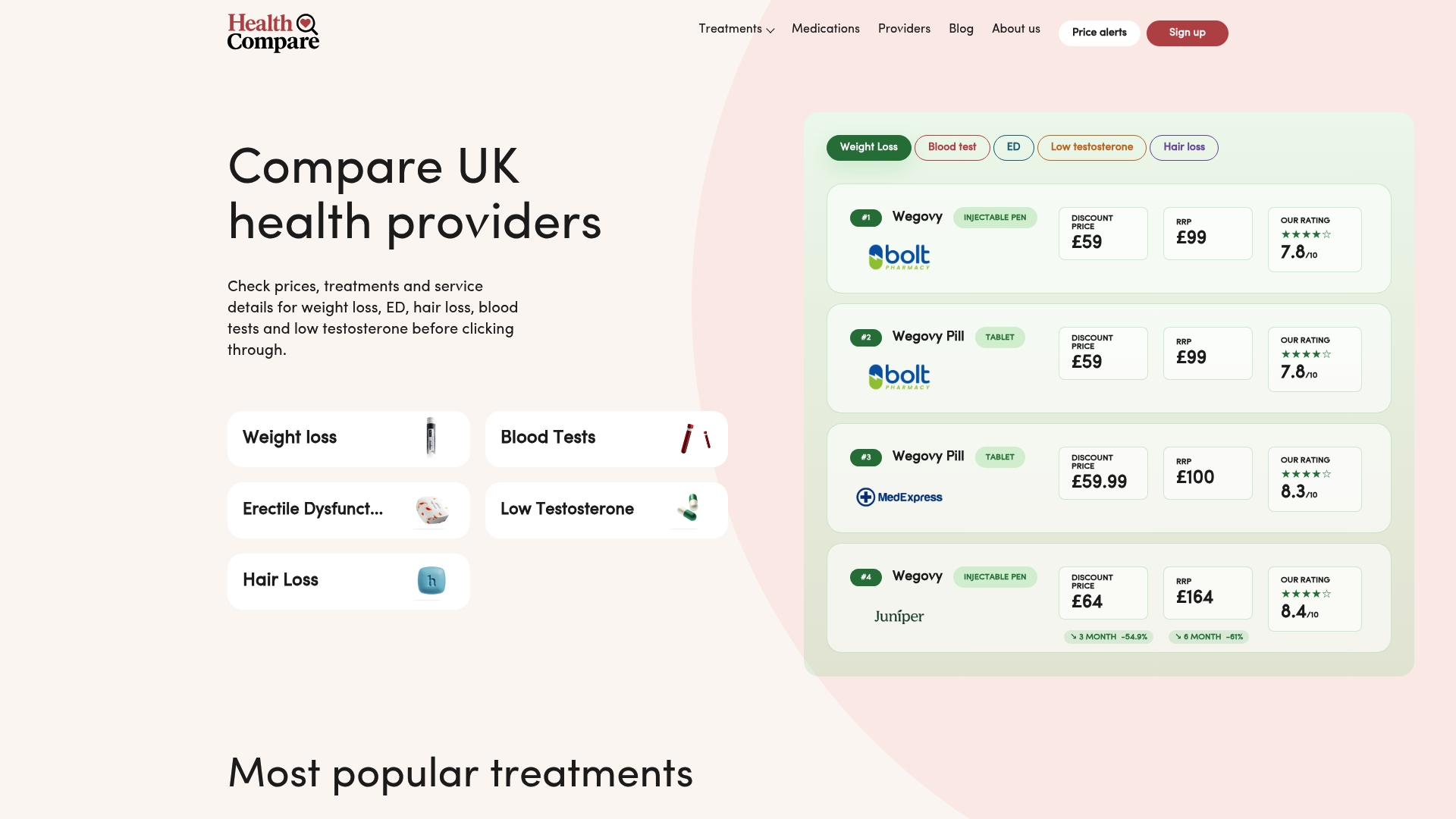
If you want to see which tests include ferritin, thyroid and vitamin D together, start with our blood test provider comparison. If your hair loss looks like a pattern you want to treat, the hair loss treatment comparison sets out providers, formats and prices in one table.
FAQ
What blood tests are done for hair loss?
The usual starting list is a full blood count, ferritin, thyroid function and vitamin D, with urea and electrolytes in the PCDS basic screen. Zinc, folic acid, B12 and hormone tests are added when there is a reason, such as diet or other symptoms.
What vitamin am I lacking if my hair is falling out?
The two most often checked are iron (through ferritin) and vitamin D. B12, folate and zinc are checked when diet is a concern. A blood test is the only reliable way to know, since symptoms overlap and supplements taken without a result may not help or could cause harm.
Does the NHS offer blood tests for hair loss?
A GP can arrange them when they think a cause such as iron deficiency or a thyroid problem is possible. NHS inform says a blood test is sometimes needed after the GP has asked about your hair loss and examined your hair. Local practice varies, so ask your own surgery.
What could be causing my hair to suddenly thin?
Common temporary triggers include illness, stress, cancer treatment, weight loss and iron deficiency, according to NHS.uk. Thyroid problems and medication changes can also play a part. If the loss is rapid, patchy or comes with a sore or scaly scalp, see a GP promptly.
Can a blood test tell me if my hair loss is hereditary?
No. Pattern hair loss is usually recognised from your history and the look of your scalp, and blood tests are used to rule out other contributing causes. A normal result alongside a typical pattern points towards hereditary thinning, and our pattern hair loss guide covers the next steps.
Sources
- NICE CKS: Investigations, male pattern hair loss
- NICE CKS: Male pattern hair loss
- Primary Care Dermatology Society: Hair Loss Pathway
- NHS inform: Alopecia (hair loss)
- NHS.uk: Hair loss
- Cornwall NHS primary care referral criteria: Alopecia
Recommended
Compare related providers
Check current provider options, listed prices and rating signals before leaving the guide.
Check out these articles
 Low or High Platelet Count? What Your Blood Test Result Means
What a low or high platelet count on your blood test means, the common causes of each, the warning signs to know an...
Read moreTasso vs Finger Prick: Which At-Home Blood Test Should You Choose?A practical guide to Tasso devices versus finger-prick blood tests, including sample quality, accuracy, collection...
Read moreHigh cholesterol and erectile dysfunction: what the link means for your heartHow high cholesterol can cause erection problems, why ED can be an early warning sign of heart disease, whether sta...
Read more